Research
Research Groups
Our research groups bring together experts from engineering, health, data science, social sciences, and other disciplines to address complex challenges that no single field can solve alone. Through collaboration with communities, healthcare providers, industry, and academic partners, we translate discoveries into trusted solutions that improve health, well-being, and quality of life in Arkansas and beyond.
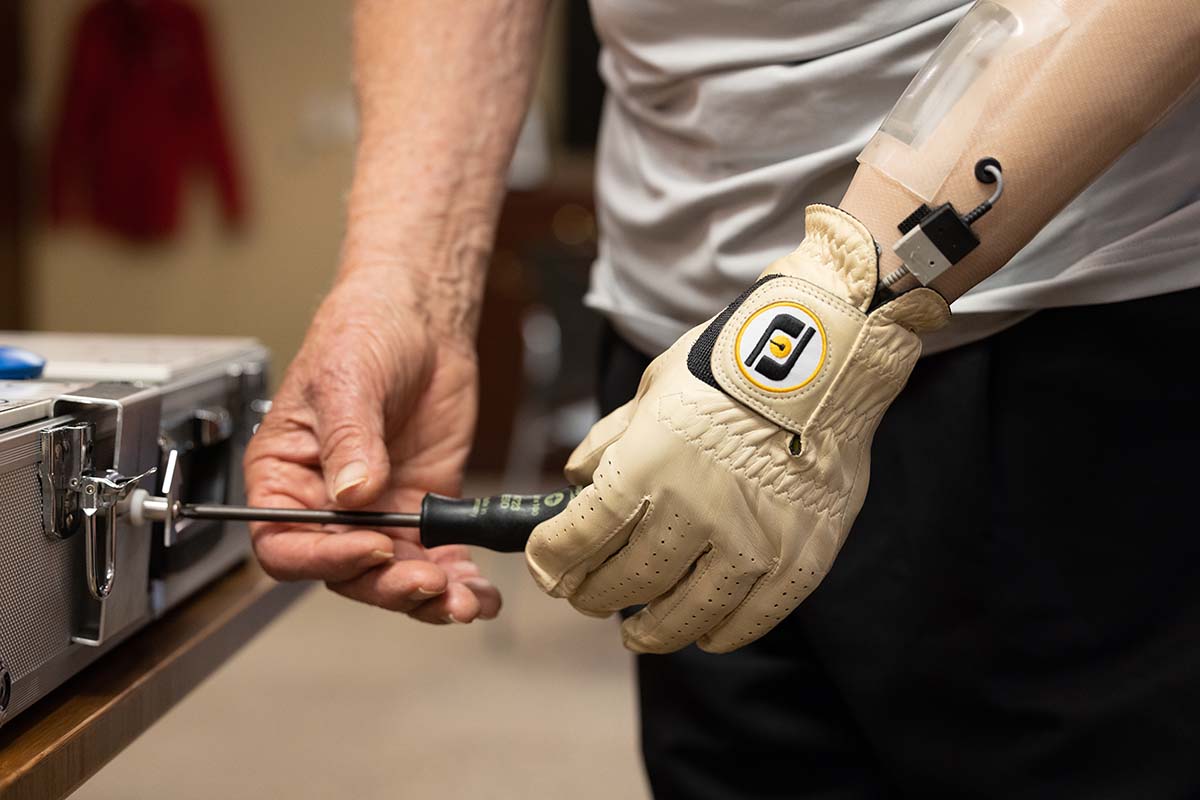
Develops neural engineering, rehabilitation technologies, and adaptive prosthetic systems that translate neuroscience discoveries into solutions that restore function, improve mobility, and enhance quality of life.
Principal Investigators
- James Abbas, Ph.D.
- Elisa Castagnola, Ph.D.
- Ranu Jung, Ph.D.
- Andres Pena, Ph.D.

Partners with communities, healthcare organizations, and policymakers to translate research into evidence-based programs, policies, and interventions that improve health outcomes, expand access to care, and strengthen services in underserved and hard-to-reach communities.
Principal Investigators
- Meredith McKee Adkins, Ph.D.
- Mohsen Bazargan, Ph.D.
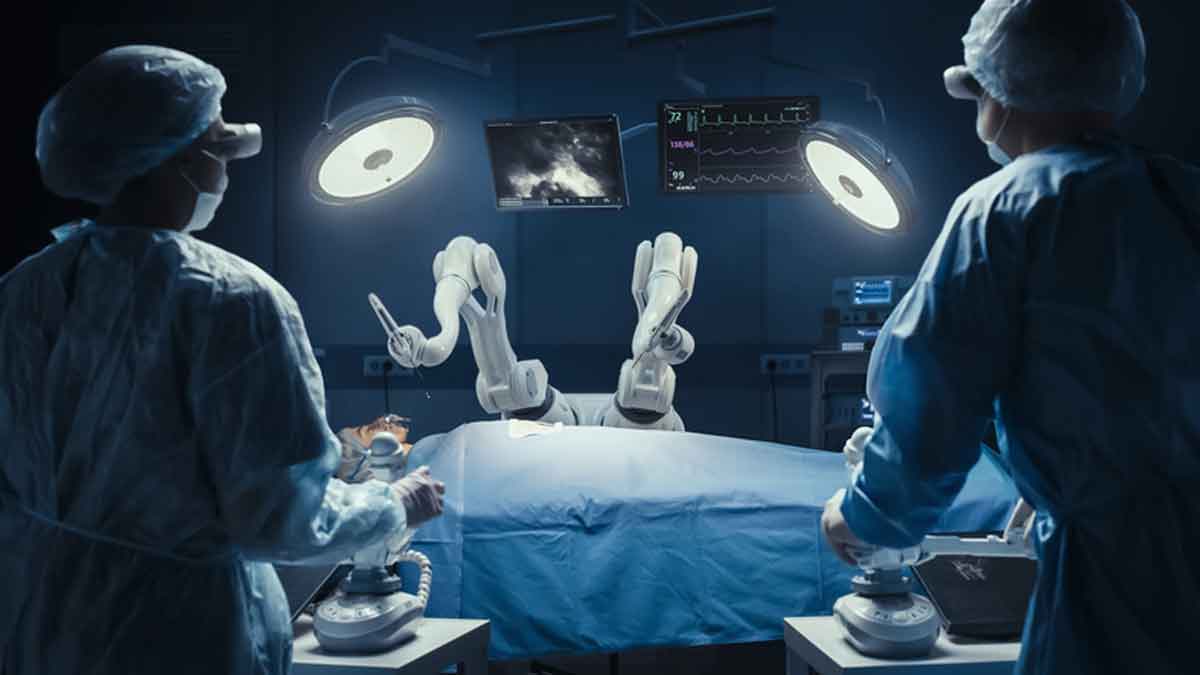
Advances robotics, biomechanics, and image-guided surgical technologies to improve precision, reduce invasiveness, and translate engineering innovations into better patient care.
Principal Investigators
- Mehran Armand, Ph.D.
- Alejandro Martin Gomez, Ph.D.
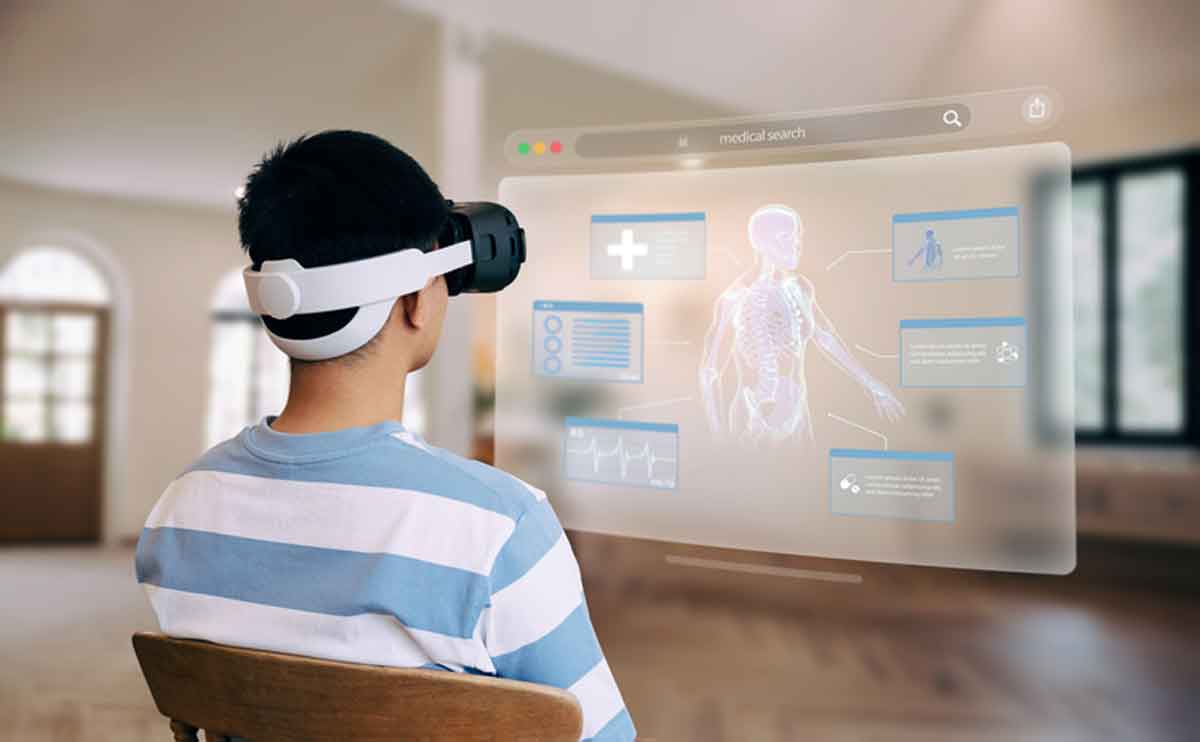
Combines research in cognition, robotics, telepresence, and extended reality to develop technologies that enhance clinical training, healthcare delivery, remote collaboration, and human-system interaction.
Principal Investigators
- Alejandro Martin Gomez, Ph.D.
- Mehran Armand, Ph.D.
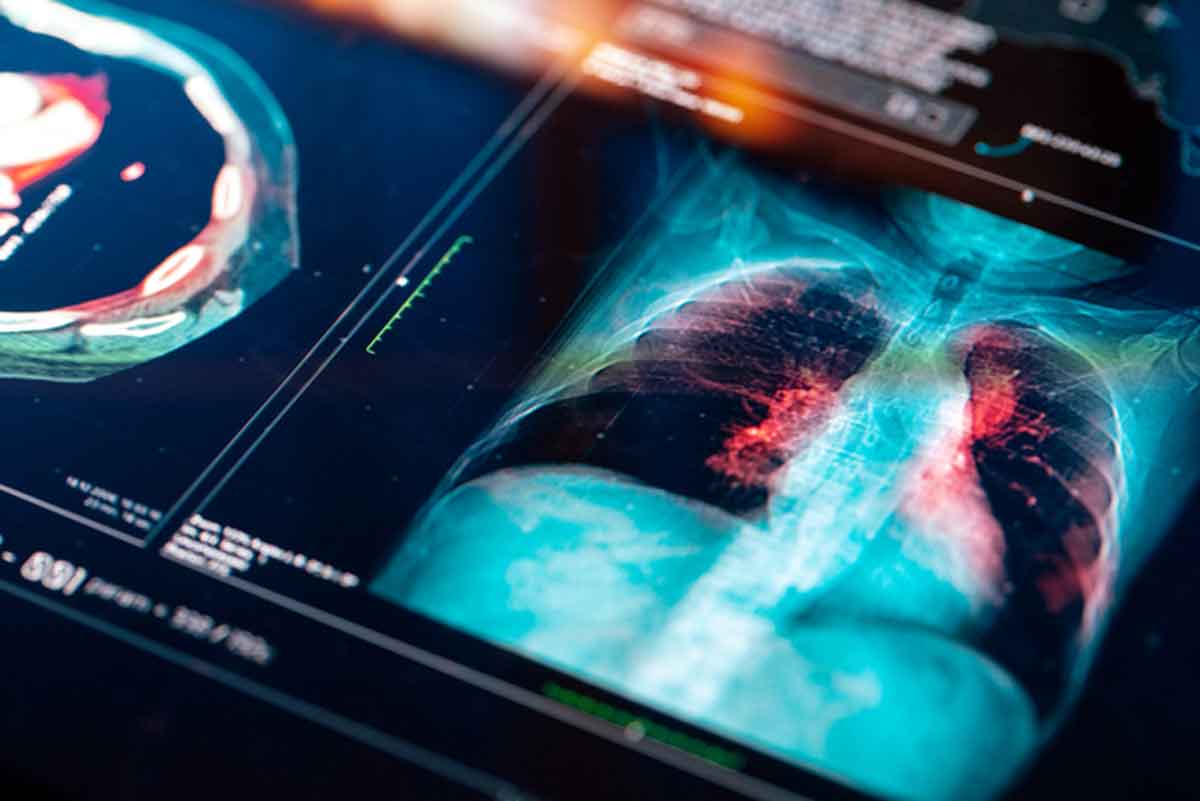
Investigates chronic respiratory disease, inhalation toxicology, environmental exposures, and lung health to translate scientific discoveries into strategies that improve prevention, diagnosis, and treatment.
Principal Investigators
- Koustav Ganguly, Ph.D.
- Swapna Upadhyay, Ph.D.
Collaborate With Us
Bring us a challenge worth solving. I³R brings organizations and university expertise together to develop solutions with real-world potential. We partner across sectors on challenges involving disease prevention, food and nutrition systems, human health, and trusted technology.
Sponsored Research
Work with I³R faculty and research teams on a defined challenge, from early investigation and prototype development to testing and translation.
Facility and Technical Services
Access specialized equipment, laboratories, and technical expertise without creating a full research partnership.
Industry and Institutional Collaborations
Explore, test, and scale technologies with researchers who understand both scientific discovery and practical application.
Explore All Research Initiatives
Organized by focus area, our research initiatives showcase the collaborative work taking place across the institute and with partners throughout academia, industry, and government. These initiatives span advanced manufacturing, materials characterization, biotechnology, human health, computational modeling, data science, and immersive technologies, bringing together expertise from multiple disciplines to solve complex challenges.
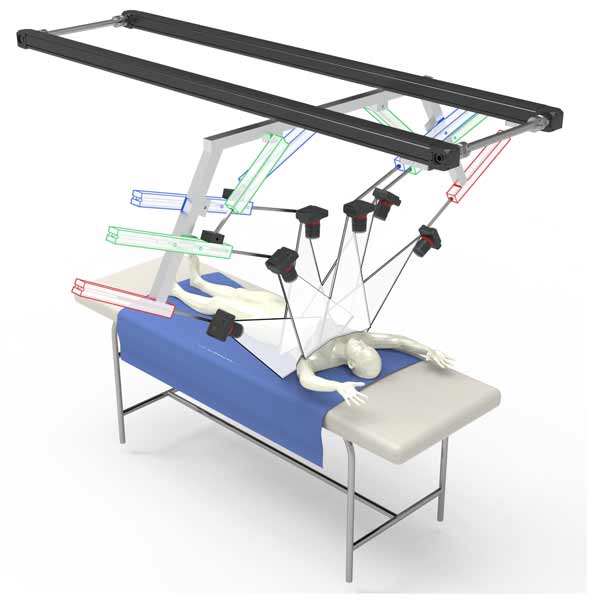
Advanced Imaging Systems for Melanoma Detection
This research combines automated total-body imaging, robotics, and artificial intelligence to help clinicians identify and track potentially concerning skin lesions over time.
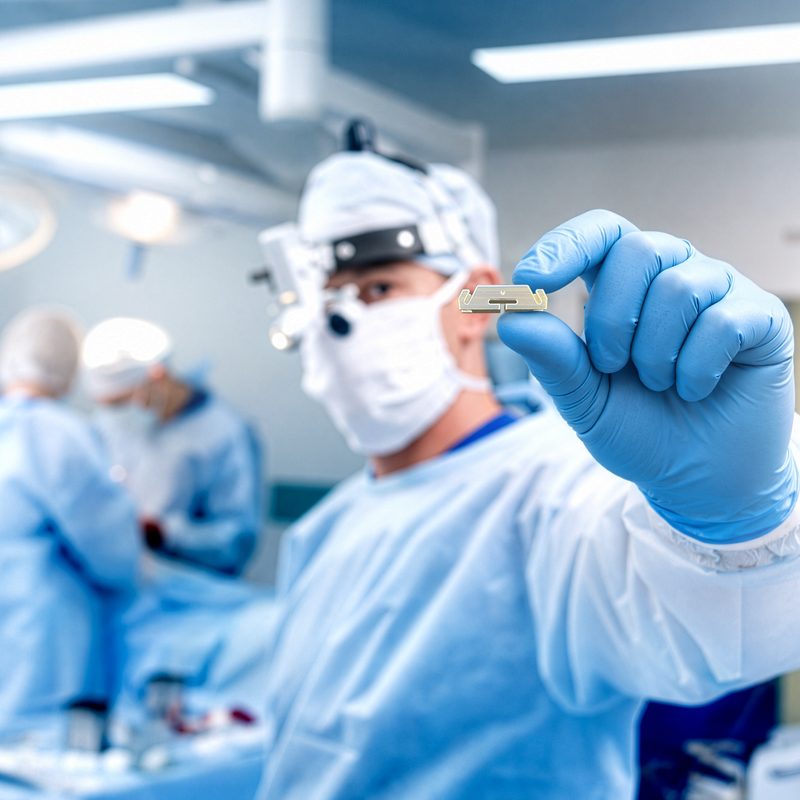
Advancing Surgical Implantation Techniques for Precision Peripheral Nerve Interfaces
This research develops a fascicle-mapping system and specialized surgical tools that help surgeons place tiny electrodes precisely within peripheral nerves, improving targeted stimulation and reducing unwanted side effects.

Analysis of the Efficacy of “Bridges Out of Poverty: Getting Ahead in a Just-Gettin’-By World” for Cherokee Nation
Studying how a socioeconomic skills curriculum combined with direct cash assistance affects the economic and psychosocial well-being of Cherokee citizens, particularly low-income pregnant women.
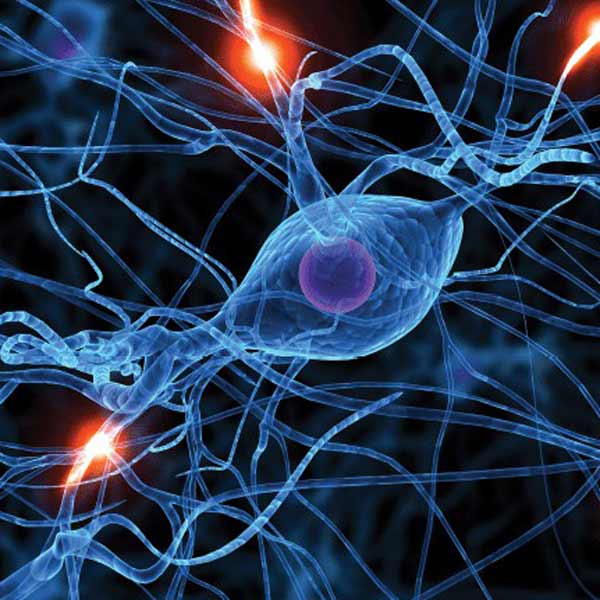
Bioelectronic Therapies Through Precision Control
This research uses tiny electrodes implanted within peripheral nerves to selectively activate or block targeted nerve fibers, aiming to treat conditions such as chronic pain, migraines, and spasticity with fewer side effects.
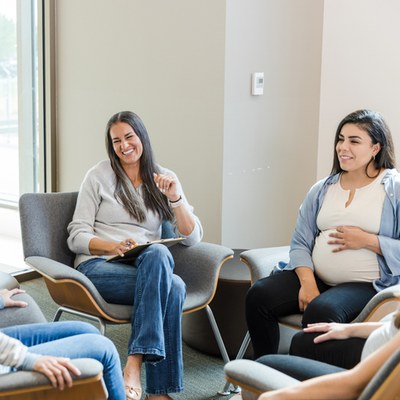
Convening to Support Engagement in Patient-Centered CER Related to Maternal and Perinatal Health in Northwest Arkansas
This project brings together patients, caregivers, clinicians, and community partners to establish locally relevant research priorities for comparing Food Is Medicine approaches with usual maternal and perinatal care in Northwest Arkansas.

Cultivate IQ
Cultivate IQ is an AI-powered platform that combines business sales data with real-time market intelligence to help local food buyers improve forecasting, sourcing, and planning while building more competitive and resilient regional food systems.

Early Origin of Chronic Lung Disease: Lung Developmental Genetics
This research examines how genetics and early lung development—particularly the formation of the lung’s air sacs—shape susceptibility to COPD and other chronic lung diseases later in life.
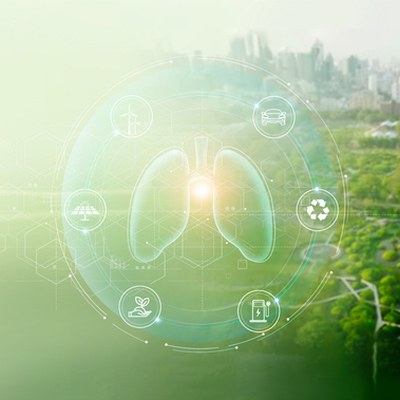
Environmental Exposures and Cardiopulmonary Health
This research combines laboratory and human studies to understand how air pollution, biomass smoke, vaping, and other environmental exposures affect heart and lung health and to identify early opportunities for disease prevention.
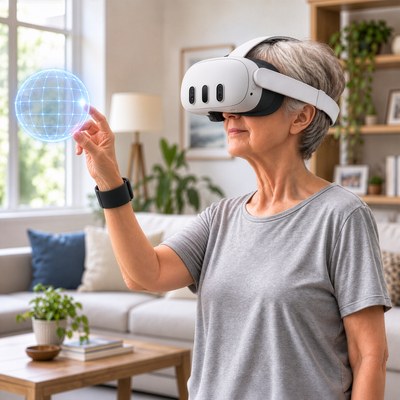
Extended Touch
Extended Touch (xTouch) is a non-invasive wearable neuro-haptic platform that recreates the sense of touch in virtual environments through peripheral nerve stimulation.
Clinical trial open
Flexible Surgical Tools and Shape Sensing
Developing flexible surgical instruments and the real-time shape-sensing methods needed to control them precisely during minimally invasive procedures.
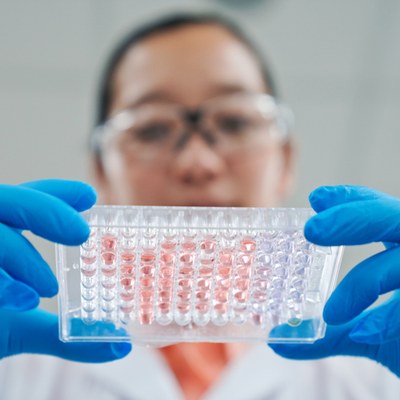
Human-Relevant Models and Disease Prevention
This research develops advanced human-relevant models to study environmental exposures, disease mechanisms, and potential protective compounds while improving risk assessment and reducing reliance on animal testing.
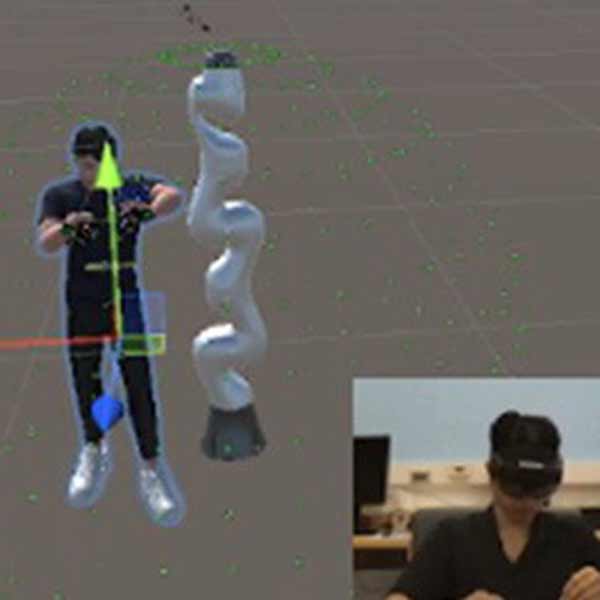
Human-Robot and Human-Computer Interaction
Exploring how robotics, artificial intelligence, and extended reality can support safer, more intuitive, and more effective collaboration between people and intelligent systems.
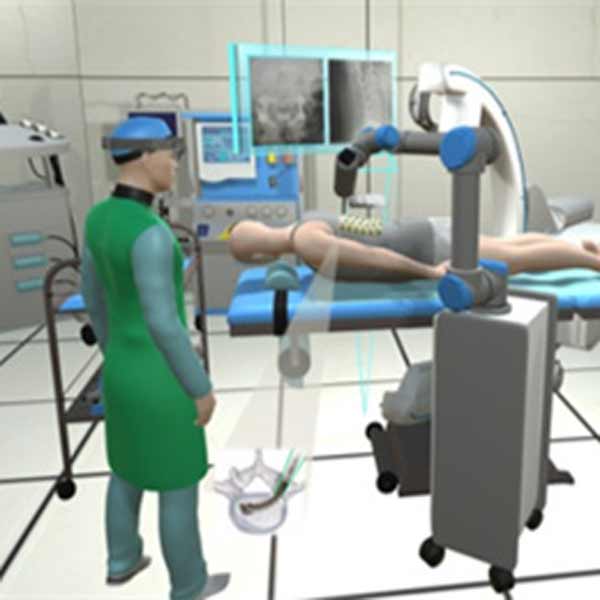
Image-Guided Robotic Systems for Orthopedic Surgery
This research integrates medical imaging, robotics, advanced sensors, and biomechanical analysis to provide surgeons with precise, patient-specific guidance for complex orthopedic procedures.
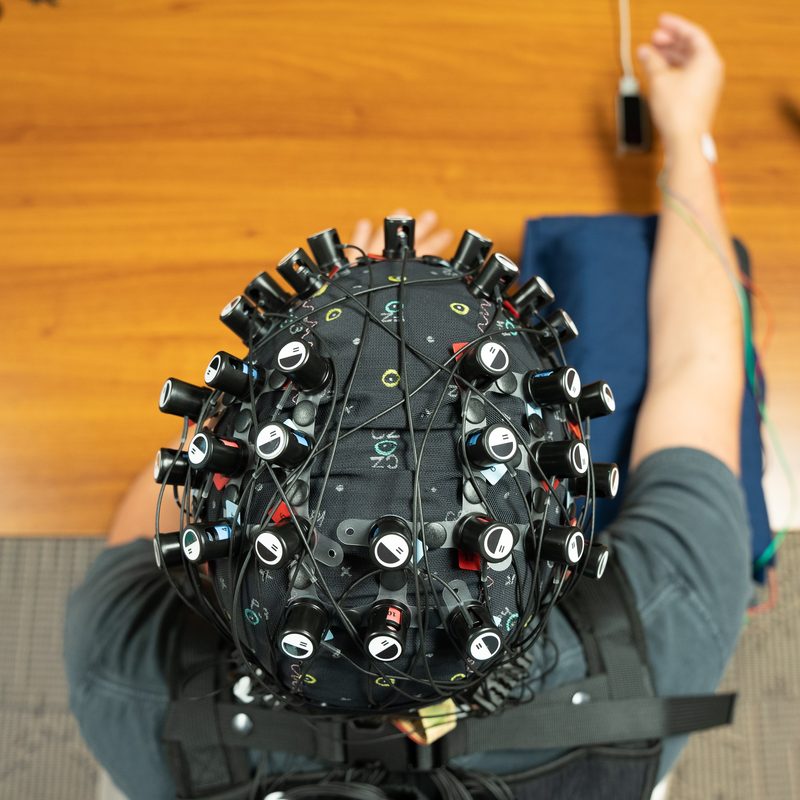
Mapping the Brain’s Response to Neuro-Haptics
This research uses noninvasive brain imaging to compare natural and electrically recreated touch, guiding the development of more intuitive neuro-haptic systems for rehabilitation, prostheses, and virtual reality.
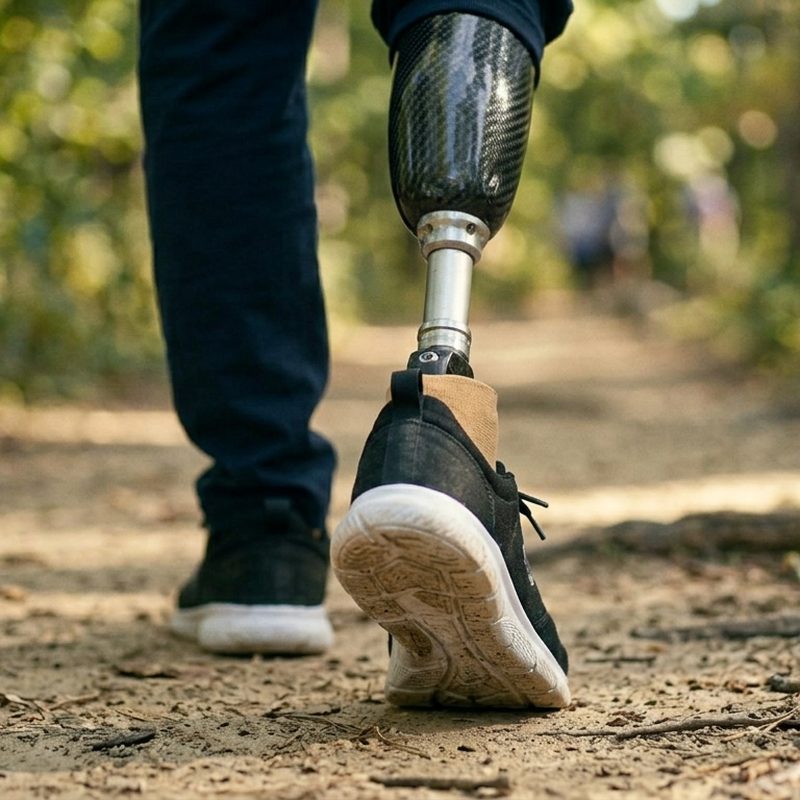
MOBILS: Modular Bionic Limb Sensory System for Stability and Mobility
MOBILS is an implantable sensory system that converts prosthetic-foot interactions into touch-like feedback, with the goal of improving stability, mobility, confidence, and independence for people with lower-limb amputations.
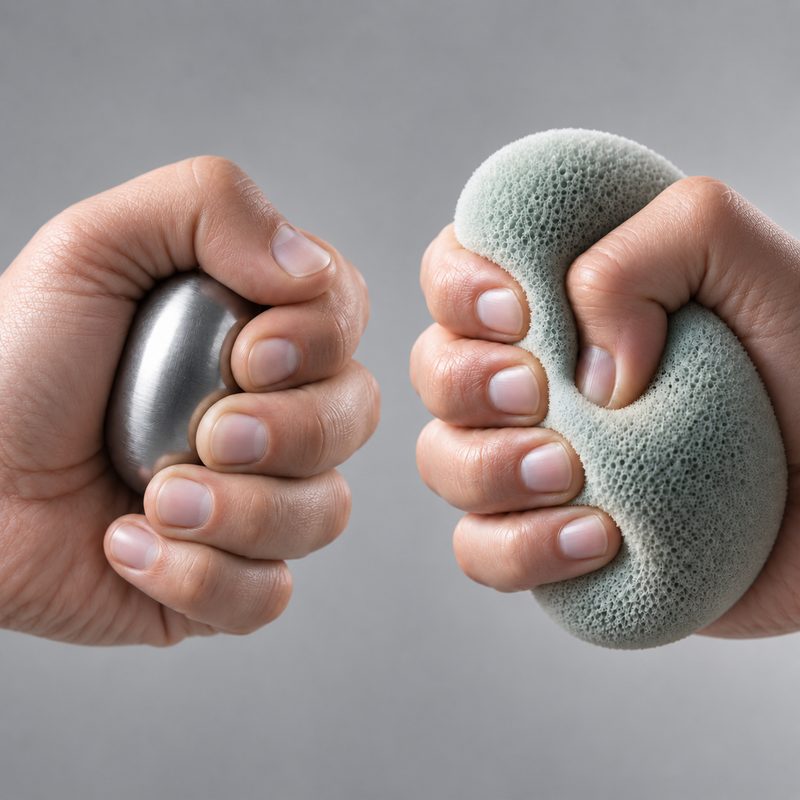
Multidimensional Neural Haptics: Advancing Sensory Feedback
This research uses noninvasive nerve stimulation to deliver multiple dimensions of touch through a single site, providing richer sensory feedback for prostheses and other human-machine interfaces.
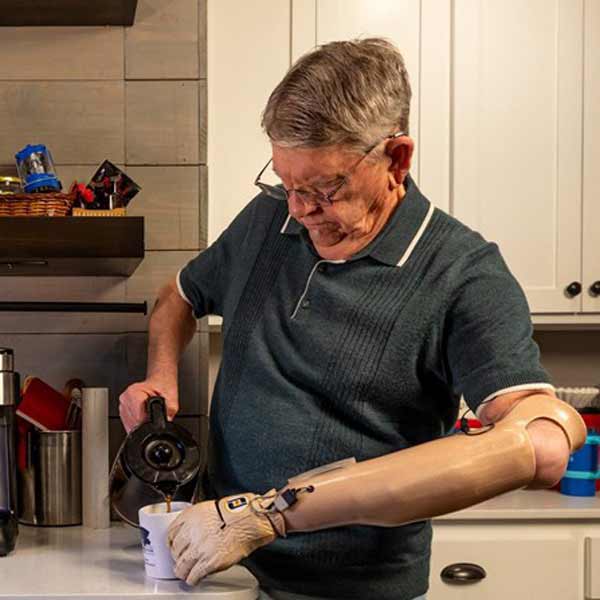
Neural-Enabled Prosthetic Hand
This first-in-human research evaluates an implanted, sensor-enabled prosthetic hand system that restores touch, grasp-force, and hand-opening feedback to improve everyday function and independence for people with upper-limb amputation.
Clinical trial open
Portable Projection Mapping for Surgical Guidance
This research develops a portable system that projects precisely aligned medical images directly onto a patient’s body, giving surgical teams shared, real-time visual guidance without headsets or separate displays.
Remote Robotic Ultrasound for Maternal Health
This research develops a robotic ultrasound system with haptic feedback that allows trained sonographers to perform scans remotely, expanding access to maternal imaging expertise in rural and hard-to-reach communities.
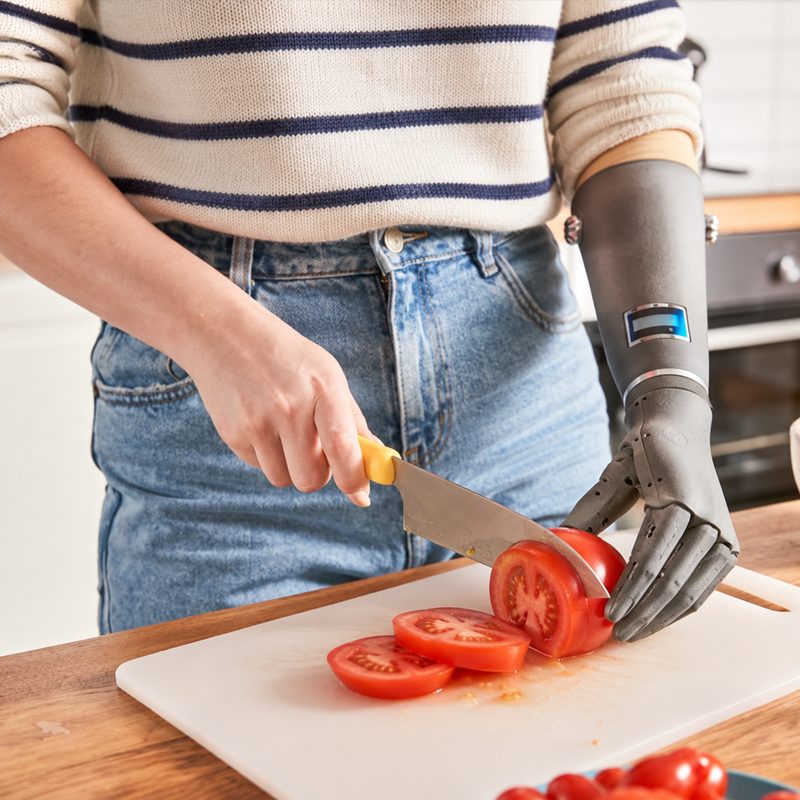
Restored Touch
Restored Touch (rTouch) is a non-invasive, wearable neuro-haptic system designed to provide meaningful sensory feedback for people with below-elbow amputations.
Clinical trial open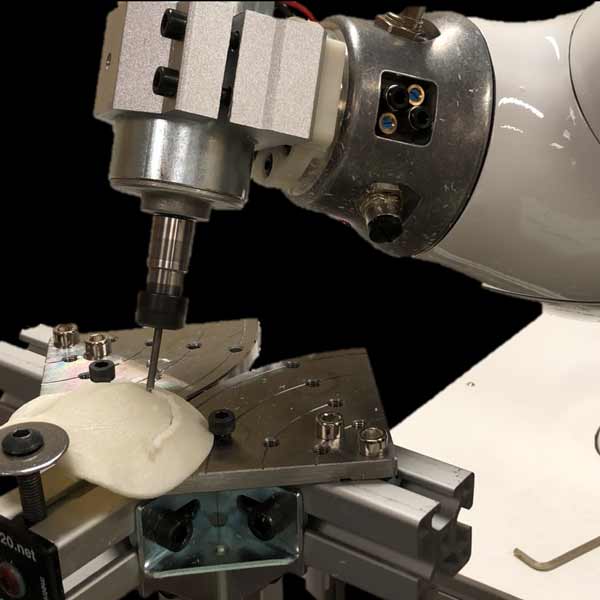
Robotic Modification of Cranial Implants
This research develops a surgeon-controlled robotic workflow to resize customized cranial implants more accurately and efficiently than manual methods during skull reconstruction.
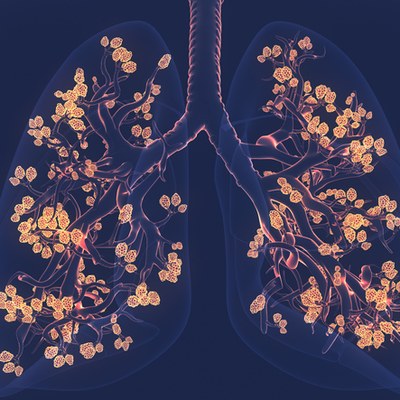
Tiny Plastics, Big Risks: Micro- and Nanoplastic-Mediated Inhalation Toxicity
This research investigates how inhaled micro- and nanoplastics enter, move through, and persist in the body—and how their physical and chemical properties influence toxicity—to improve prediction and prevention of human health risks.

Tobacco, Vaping, and Emerging Nicotine Products
This research combines human-relevant testing of emerging nicotine products with student-led prevention to clarify health risks, inform regulation, and reduce nicotine use among adolescents and young adults.
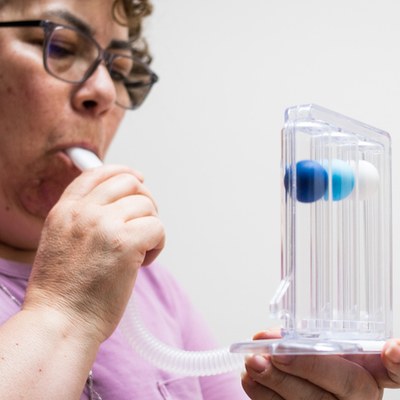
Understanding COPD Across Populations, Exposures, and Biological Scales
This research combines population studies in rural Arkansas and India with human lung models to understand how environmental exposures, social conditions, biological susceptibility, and healthcare access shape COPD risk and progression.
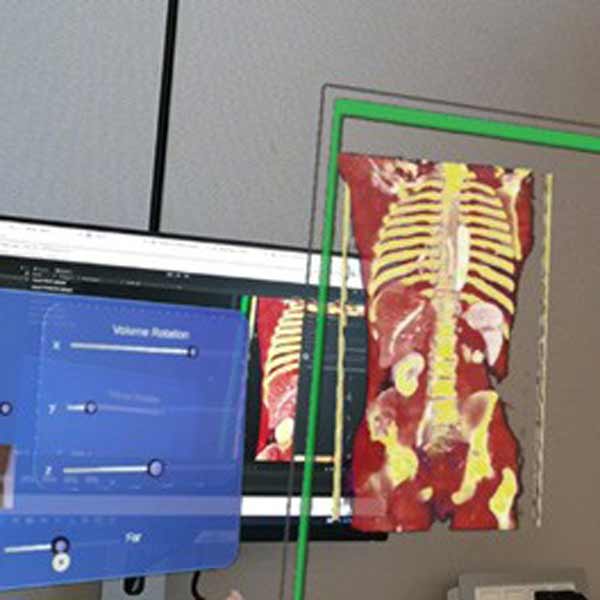
Workforce Development and Education: Integrating Extended Reality to Enhance Learning Experiences
This research explores how extended reality can create interactive, accessible, and personalized learning experiences for education, professional training, and workforce development.
Nothing in this category yet.