Our Team
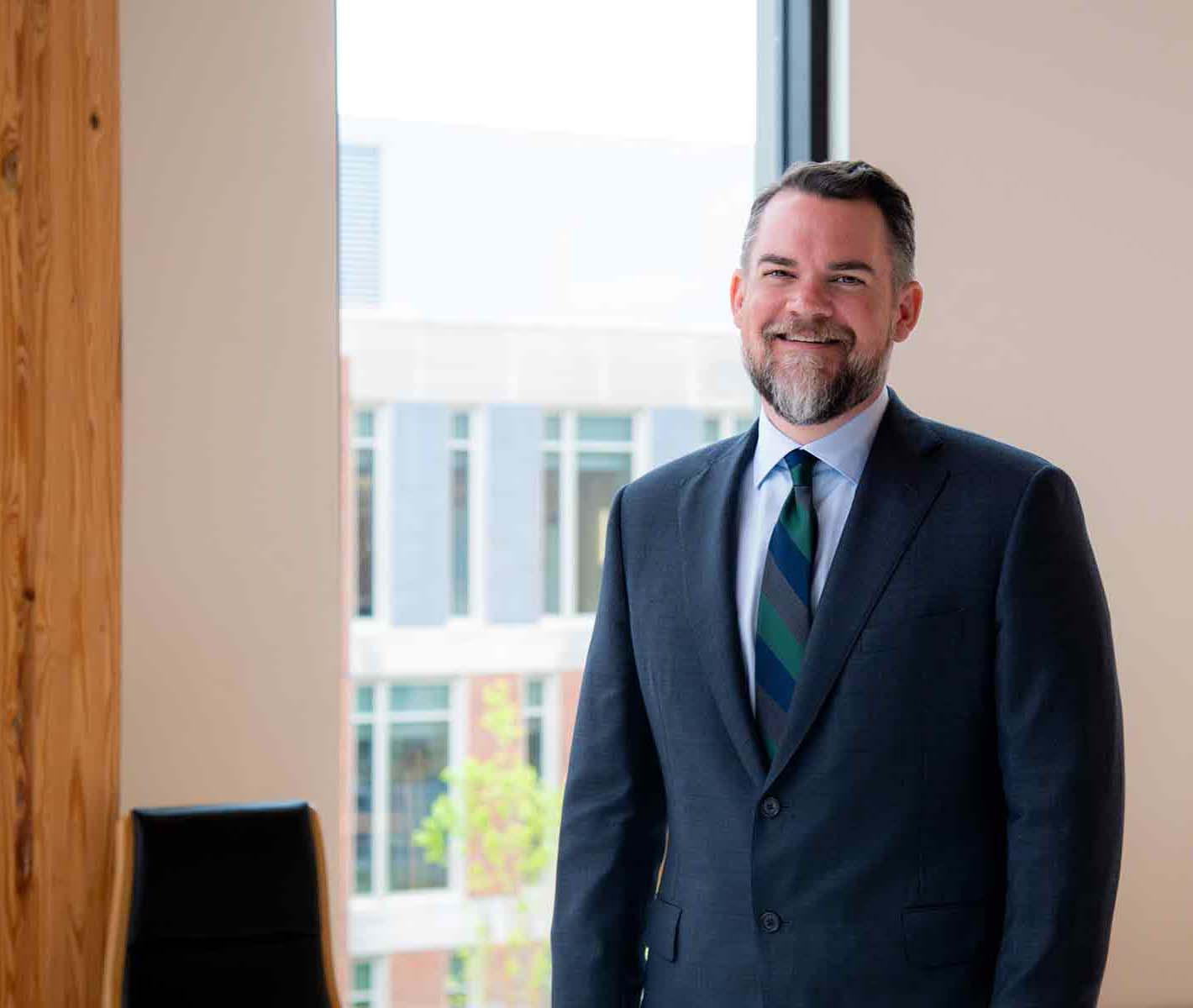
Hugh Churchill,
Interim Director
Dr. Hugh Churchill is an internationally recognized researcher in quantum and condensed matter physics. His work focuses on quantum-enabled materials and devices with applications in next-generation electronics, sensing, and energy-efficient computing. He serves as interim director of the Institute for Integrative and Innovative Research (I³R) at the University of Arkansas, as well as director of the Institute for Nanoscale Science and Engineering. Dr. Churchill is also associate director and co-founder of the MonArk NSF Quantum Foundry, a collaboration with Montana State University that advances two-dimensional materials research for quantum technologies in the United States. In addition, he is a professor of physics and holds the university’s 21st Century Chair in Nanophysics. A native of Arkansas, Dr. Churchill earned bachelor’s degrees in music, physics, and mathematics from Oberlin College, and master’s and doctoral degrees from Harvard University. He joined the University of Arkansas faculty in 2015 following postdoctoral research at MIT and Harvard.
Show
Explore by expertise
Showing everyone
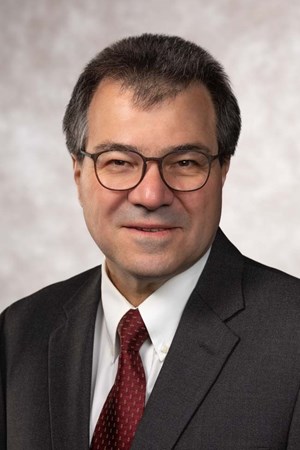
Dr. Abbas is a Senior Member of the National Academy of Inventors and of the Institute of Electrical and Electronics Engineers. Currently, he serves on the Editorial Boards of the Journal of Neuroengineering and Rehabilitation and Frontiers in Neuroengineering, is an Associate Editor for the IEEE EMBS and Neural Engineering Conferences and is a member of the Steering Committee for the Data Resource Center of the NIH SPARC Initiative. Dr. Abbas received his B.S. in bioelectrical engineering from Brown University and then taught secondary school mathematics and worked on public health projects in Malawi as a US Peace Corps volunteer. He received the M.S. and Ph.D. degrees in biomedical engineering from Case Western Reserve University and completed a post-doctoral fellowship at the Shriners Hospital in Philadelphia, PA. Dr. Abbas’ research program develops and applies neural engineering techniques in the areas of medical rehabilitation and exercise. His research includes the design and development of neurotechnology, the development and use of computational models, and experimental evaluation of neurotechnology and rehabilitation systems in human subjects.
- Sc.B. in Bio-electrical Engineering from Brown University (1982)
- M.S. in Biomedical Engineering from Case Western Reserve University (1989)
- Ph.D. in Biomedical Engineering from Case Western Reserve University (1992)
- Neurotechnology and its applications in rehabilitation and medicine
- Design of prostheses and assistive devices to improve usability and functionality
- Improving access to healthcare and health technologies
- Building partnerships to deliver health solutions
- Professor, Department of Biomedical Engineering, University of Arkansas
- Professor (Joint Appointment), Institute for Integrative and Innovative Research (I³R), University of Arkansas
- Professor (Joint Appointment), Department of Neurosurgery, University of Arkansas for Medical Sciences
- Emeritus Faculty, School of Biological and Health Systems Engineering, Arizona State University
- 2020 Senior Member (elected), National Academy of Inventors (NAI)
- 2019 Invited Faculty, IEEE Brain Initiative, “Neurotech Entrepreneurs Workshop”
- 2019 Outstanding Faculty Mentor Nominee, Arizona State University Faculty Women’s Association
- 2012 Top Five Percent Faculty, Ira A. Fulton Schools of Engineering, in recognition of teaching excellence
- Senior Member, Institute of Electrical and Electronics Engineers (IEEE)
- Senior Member (elected), National Academy of Inventors (NAI)
- Member, University of Arkansas Chapter of the National Academy of Inventors
- Editorial Board, Journal of Neuroengineering and Rehabilitation
- Editorial Board, Frontiers in Neuroengineering
- Associate Editor, IEEE EMBS
- Member, Steering Committee for the Data Resource Center of NIH SPARC
- T.R. Benigni, A.E. Pena, A. Shell, J. Asbee, S. Kuntaegowdanahalli, J.J. Abbas, and R. Jung, “Single-site non-invasive peripheral nerve stimulation with multidimensional encoding enables object differentiation using a myoelectric prosthetic hand,” J. Neural Engineering, 2026.
- L. Regnacq, A. Thota, A.O. Sanabria, L. McPherson, S. Renaud, O. Romain, Y. Bornat, J.J. Abbas, R. Jung, and F. Kolbl, “Fascicle-Selective Kilohertz-Frequency Neural Conduction Block with Longitudinal Intrafascicular Electrodes,” J. Neural Engineering, 2025.
- T.R. Benigni, A.E. Pena, S. Kuntaegowdanahalli, J.J. Abbas, and R. Jung, “Simultaneous Modulation of Pulse Charge and Burst Period Elicits Two Differentiable Referred Sensations,” J. Neural Engineering, 2024.
- R.A. Cooper, et al., J. Abbas, and P.F. Pasquina, “Current State, Needs, and Opportunities for Wearable Robots in Military Medical Rehabilitation and Force Protection,” Actuators, 13(7), 2024.
- R. Siu, J. Abbas, M. Demers, and C. Winstein, “Editorial: ‘Smart’ rehabilitation technology and methodology to personalize neurorehabilitation,” Frontiers in Rehabilitation Sciences, 2024.
- A. Shell, A.E. Pena, J.J. Abbas, and R. Jung, “Novel Neurostimulation-Based Haptic Feedback Platform for Grasp Interactions with Virtual Object,” Frontiers in VR, Vol. 3, 2022.
- A. Pena, J.J. Abbas, and R. Jung, “Channel-hopping during surface electrical neurostimulation elicits selective, comfortable, distally referred sensations,” J. Neural Eng., 18(5), 2021.
- N. Muthukrishnan, J.J. Abbas, H.A. Shill, and N. Krishnamurthi, “A Wearable Sensor System to Measure Step-Based Gait Parameters for Parkinson's Disease Rehabilitation,” Sensors, 20(22), 2020.
- R. Siu, J.J. Abbas, D.D. Fuller, J. Gomes, S. Renaud, and R. Jung, “Autonomous control of ventilation through closed-loop adaptive respiratory pacing,” Scientific Reports, 10(1):21903, 2020.
- R. Jung and J. Abbas, “Utilizing prosthetic technology to improve quality of life: an interview with Ranu Jung and James Abbas,” Bioelectronics in Medicine, 2(3), 2020.
- R. Jung, J.J. Abbas, S. Kuntaegowdanahalli, and A.K. Thota, “Bionic intrafascicular interfaces for recording and stimulating peripheral nerve fibers,” Bioelectronics in Medicine, Vol. 1(1), pp. 55-69, 2018.
- J.J. Abbas, B. Smith, M. Poluta, A. Velazquez-Berumen, “Improving Health Care Delivery in Low-Resource Settings with Nanotechnology: Challenges in Multiple Dimensions,” Nanobiomedicine, Vol. 4, pp. 1-14, 2017.
- Systems and methods for advanced medical device placement and usage, U.S. Patent No. 12,262,962 B2 (2025). B. Kelly, A. Newcomb, W. Langenbach, K. Jefferys, L. Tumialan, J. Abbas.
- Systems and methods for delivering focalized neurostimulation, U.S. Patent No. 11,478,639 B2 (2022). A.E. Pena Serrada, R. Jung, J. Abbas, K. Horch.
- Directional-specific extraneural recording device, U.S. Patent No. 10,660,535 B2 (2020). I. Black, J. Abbas, R. Jung.
- Neural interface activity simulator, U.S. Patent No. 9,563,740 B2 (2017). M. Abdelghani, R. Jung, J.J. Abbas, K. Horch.
- Systems and methods for decoding intended motor commands from recorded neural signals for the control of external devices or to interact in virtual environments, U.S. Patent No. 9,717,440 B2 (2017). M. Abdelghani, R. Jung, J. Abbas, K. Horch.
- Modular multi-channel inline connector system, U.S. Patent No. 9,427,565 B2 (2016). S. Kuntaegowdanahalli, J.J. Abbas, R. Jung, K. Horch.
- Communication interface for sensory stimulation, U.S. Patent No. 9,026,224 B2 (2015). R. Jung, K. Horch, J.J. Abbas, S. Phillips, B. Bakkaloglu, S. Kim.
- Lower extremity exercise device with stimulation and related methods, U.S. Patent No. 8,249,714 B1 (2012). E. Hartman, J. Abbas, J. Resig, J. Alton, N. Quick, M. Griffin.
- Modular platform, and related methods for sensor-neurostimulation integration, U.S. Provisional Application No. 64/054,645 (2026).
- Selective neurostimulation of peripheral nerves with reduced off-target activation, U.S. Provisional Application No. 63/545,717 (2023).
- Non-invasive intraoral neurostimulation device for obstructive sleep apnea (patent application, 2020), assigned to Arizona Board Of Regents On Behalf Of Arizona State University.
- Fitting system for a neural-enabled limb prosthesis system (patent application, 2014), assigned to The Florida International University Board Of Trustees.
- Self-Anchoring MEMS Intrafascicular Neural Electrode (patent application, 2010), assigned to Arizona Board of Regents on behalf of Arizona State University.
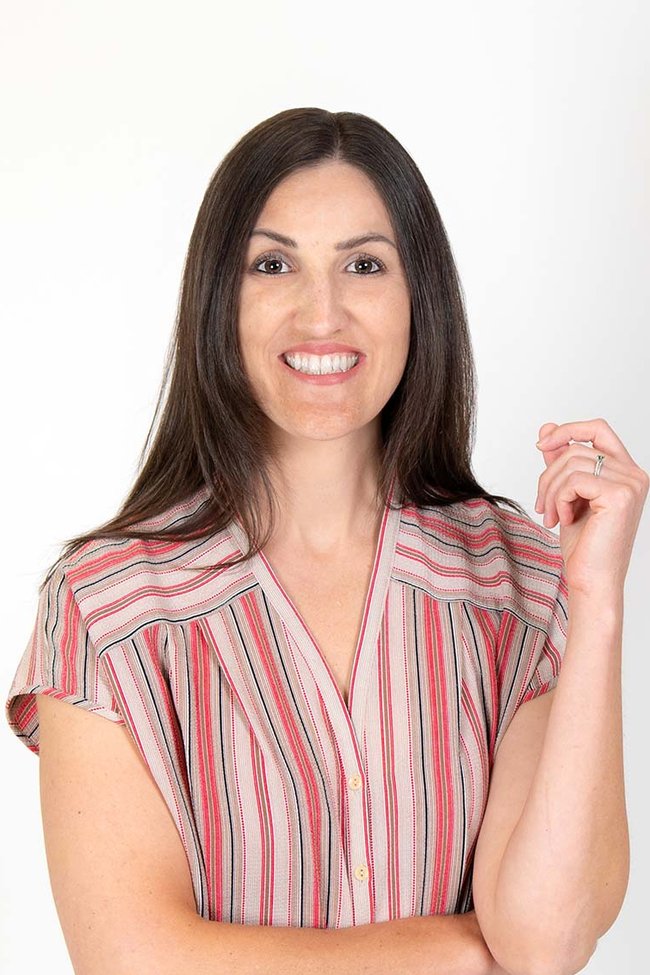
Assistant Research Professor Meredith Adkins cares about communities. Her role at the Institute for Integrative and Innovative Research (I3R) offers opportunities to positively impact the community, region, and world. Being involved in research projects that bring capital and resources to varied communities creating innovative, scalable, and tangible impact allows her this opportunity. “My interest is in historically disadvantaged communities that haven’t had the same access to resources,” she says.
Meredith cites the unique model of I3R as the reason for making a career transition into a more research-based role at the University of Arkansas from previous community engagement roles. “I3R is building a structure that enables faculty to focus on research impact. By building a strong support team that helps with all necessary needs, I3R is an ecosystem that allows people to specialize in their area of expertise and collaborate for greater impact.”
Her research focus is rooted in addressing societal deficiencies by utilizing technology to support varied and excluded communities in building sustainable and scalable economic opportunities. “I’m really interested in the concept of ‘last mile’ innovation for communities that are furthest removed from advanced technologies.” As a native Arkansan, Meredith is passionate about her work with regional communities, such as the Delta region of Arkansas, surrounding states, and the Cherokee Nation.
Meredith spends significant time outdoors in the scenic Ozarks with her husband, daughter, and her extended family network in Northwest Arkansas. “We live in the woods and love that environment to raise our young daughter. Some of my most innovative ideas and research concepts are written while embedded in the woods.”
Meredith earned her PhD in Public Policy and Community Development from the University of Arkansas. She has been awarded the NSF Convergence Accelerator Track J, Food and Nutrition Security Grant. Meredith has also been named “One to Watch” by the Celebrate Arkansas Magazine and was awarded the High-Performance Team Award and the Dean’s Professionalism Award from the Sam. M. Walton College of Business.
- B.A. in Political Science from University of Colorado Boulder (2006)
- M.A. in Political Science, International Relations from Colorado State University (2010)
- Ph.D. in Public Policy, Community Development from University of Arkansas (2022)
- Use-inspired convergence research and AI/ML for technology development
- Public health, maternal health, and Food is Medicine
- Community reinvestment and access to capital
- Beginning Investigator Research Development Support (BIRDS) Program, Division of Research and Innovation, University of Arkansas, Spring 2024
- Microsoft Excel Level 1 (Basic) and Level 2 (Advanced) Certified, University of Arkansas Global Campus
- Tableau Level 1 (Basic) Certified, University of Arkansas Global Campus
- International Development Studies Program, Colorado State University, 2010
- 2025-2026, VentureWell Ecosystem Futures Fellow
- 2023, NSF Convergence Accelerator Track J, Food & Nutrition Security Award Phase 2, $5M (PI)
- 2023, VentureWell Course & Program Grant: Food & Nutrition Entrepreneurship with University of Arkansas at Pine Bluff
- 2022, NSF Convergence Accelerator Track J, Food & Nutrition Security Grant, $750,000 (PI)
- 2022, Celebrate Arkansas' Ones to Watch
- 2019, High Performance Team Award, Walton Career Services, Sam M. Walton College of Business
- 2019, Dean's Professionalism Award, Sam M. Walton College of Business
- 2015, Rookie Award, Sam M. Walton College of Business
- 2012, Graduate Teaching Assistantship, Colorado State University
- 2012, The President’s Volunteer Service Award
- 2012, International Educator for Africa (Senegal, International Foundation for Education and Self-Help)
- 2009, U.S. Department of State Certificate of Appreciation, Bureau of Democracy, Human Rights, and Labor
- Member, Phi Beta Kappa Honor Society
- Duran, E., Tran, M., Massey, M., Gracia, A., Hanyu, T., Tran, A., McCann, R., Liao, H., Cothren, J., Adkins, M., Rainwater, C., Huang, Y., Mantooth, A., & Le, N. (2025). SolarFormer++: Multi-scale Transformer for Solar PV Profiling and Obstruction Localization for Degradation Mitigation. IEEE Transactions on Industry Applications, 1-18. doi.org/10.1109/TIA.2025.3574675
- Hanyu, T., Yamazaki, K., Tran, M., McCann, R. A., Liao, H., Rainwater, C., Adkins, M. M., Cothren, J., Le, N. (2024). AerialFormer: Multi-resolution Transformer for Aerial Image Segmentation. Remote Sensing, 16(16), 2930. doi.org/10.3390/rs16162930
- Adkins, M. (2022). Reconciling conflicting institutional logics: Community reinvestment officers at the intersection of public policy and market forces. Doctoral dissertation, University of Arkansas. ProQuest Dissertations & Theses Global (Order No. 29323269).
- Building Agency and Economic Capacity: Evidence from Cherokee Nation. Poster, APPAM Annual Fall Research Conference, November 2026 (accepted)
- AI in Agriculture. Invited panelist, IEEE SmartAg Summit, Little Rock, October 2026
- Convergence Research for Societal Impact: Deploying the Innovations that Scale. Arkansas Academy of Computing Annual Meeting, October 2024
- Funding Sustainable Innovation – Nurturing Collaborations to Advance Regional Development. Panelist, IEEE GreenTech Summit, Rogers, April 2024
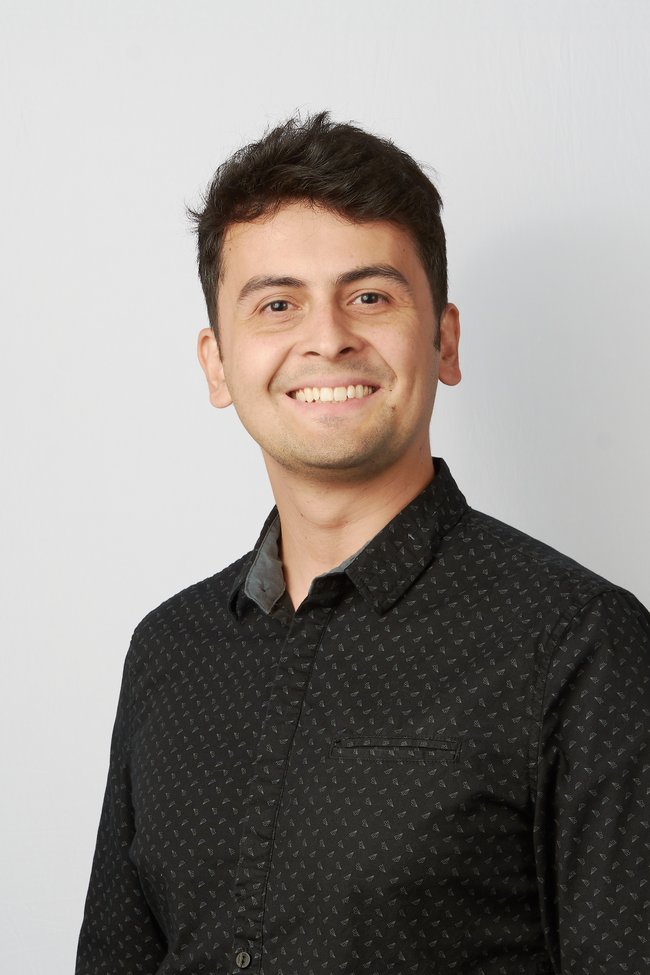
Clinical Trial Support Engineer Diego Aguilar plays a critical role in supporting integrated research in the Adaptive Neural Systems (ANS) Lab at the Institute for Integrative and Innovative Research (I3R). His background in medical device design and expertise in human research, creates the framework and pathways for researchers to test prototypes, connect, disseminate information, and put innovations on the path to market. “I joined I3R because of our mission to restore part of the self that is lost with amputation by integrating the self with technology.”
Diego is a point of contact for the Neural-Enabled Prosthetic Hand (NEPH) clinical trial and supervises recruitment, screening, and enrollment of clinical trial participants. His responsibilities extend to designing systems for data capture and management that simplify research operations. “I really want to help our team understand how to fine-tune and personalize the NEPH system for its user.”
He cites the integration of researchers and support team at I3R as key to conducting innovative research and credits the administrative and communication teams for their efforts to help manage and share information. “It is so valuable to have someone who takes on administrative tasks and communicates with the public to raise awareness and support recruitment for our clinical studies.”
Diego credits his long-term relationship with the ANS team for moving to the University of Arkansas from Florida International University. “The ANS team and I have been family since I was a student. I work with brilliant people and have grown alongside them.”
When not working with his I3R family, he cooks novel cuisines in the kitchen for his wife. “The kitchen is my personal lab. I like to try new things and cooking gives me the space to be flexible, and creative.”
Diego earned a Master of Science in Biomedical Engineering from Florida International University.
- B.S. in Biomedical Engineering from Florida International University
- M.S. in Biomedical Enginnering from Florida International University
- Biotechnology
- Medical Devices
- Pharmacologics
Post-Doctoral Fellow Justin Asbee brings a unique perspective to his work with the Adaptive Neural Systems (ANS) Group within the Institute for Integrative and Innovative Research(I³R). “I worked many blue-collar jobs when I was younger. I struggled with feeling fulfilled with my work,” Justin recalls. “ Doing impactful research provides that.”
His experience and formal education in psychology and behavioral sciences support his role with the ANS Group, which is currently engaged in a clinical trial for a novel neural-enabled prosthetic hand (NEPH) system, the first ever wireless implantable prosthetic hand which restores a meaningful sense of touch and grip force to the user. Justin focuses on research methodology to derive the best way to set up a study and collect data, while also factoring emotions and behaviors of the clinical trial participants. “I work directly with participants,” he says. “We want to figure out what each person is feeling physically and emotionally and how the prosthetic performs by measuring different ways it impacts their life.”
Interacting with the team at I³R is a new experience for Justin. He appreciates the opportunity to gain perspective on how different people from varied backgrounds apply their skills to solving problems. “Working with my team is great. We all collaborate to not just do research, but to use it to create something bigger that could have a positive impact on people.”
Justin joined I³R for the impactful prosthetic and virtual reality projects, a subsect of his studies he is interested in pursuing. He envisions moving mental health assessments into virtual reality in the future.
He spends his time away from solving wicked problems exploring a number of hobbies and engaging his brothers in video games to stay connected and continue a life-long spirited brotherly competition.
Justin earned his PhD in Behavioral Sciences from the University of North Texas.
- B.S. in Psychology from Lock Haven University
- M.A. in Arts from Radford University
- Ph.D. in Behavioral Sciences from University of North Texas
- Programming
- Behavioral Analysis
- Virtual Reality
- Neuro-haptics
Postdoctoral Fellow Tommaso Benigni was greatly influenced by “Star Wars: The Empire Strikes Back”, especially the scene where Darth Vader amputates Luke Skywalker’s hand. “At the end of the movie, Luke receives a prosthetic hand, and I began to wonder if I could do that,” Tommaso recalls.
This event led him to research prosthetics that not only provide functionality but sensory feedback to the user enabling them to feel as if the prosthetic is part of their body.
A member of the Adaptive Neural Systems Group at I3R working on the Neural Enabled Prosthetic Hand project, Tommaso’s research investigates approaches to create neural connections between prosthesis and brain to improve performance of the prosthetic and provide feedback that allows the user to feel like the limb is part of their body. “We want to help people feel things; and in the process learn more about how the brain and body work. Research suggests some amputees don’t wear their prosthetic due to the lack of sensation,” Tommaso adds. Tommaso envisions the Neural Enabled Hand being brought to market will enhance the lives of amputees.
When not solving wicked problems, Tommaso mentors underrepresented high school and undergraduate students to support their research, skill development, and academic goals. He loves to cook and homebrew. Joining I3R from Florida International University, Tommaso loves the diversity of people and the region’s natural environment.
Tommaso earned his PhD in Bioengineering and Biomedical Engineering from the University of Arkansas.
- B.S. in Biomedical Engineering with a minor in Robotics from Florida International University
- Ph.D. in Biomedical Engineering from University of Arkansas
- Neuroscience
- Neuroprosthetics
- Sensory feedback
- Benigni, T. R., et al. (2024). “Simultaneous modulation of pulse charge and burst period elicits two differentiable referred sensations.” J Neural Eng 21(5).
- Ph.D. in Biomedical Engineering
- M.S. in Operations Management
- B.Tech. in Biotechnology
- Mechanobiology-driven biomaterials and tissue engineering
- Non-invasive biofluids for screening and diagnostics
- Cellular agriculture and engineered muscle tissues
- Arkansas Research Alliance Impact Grant 3.0, Sustainable Vertical Farming of Milk Thistle for Nutraceutical Applications
- 2023, Gold, Health, Medical & Biotech Intelligent Diagnostics category, 36th Annual Edison Awards, for the at-home breast health test auria
- 2023, Team named one of Fierce Biotech’s Fierce 15 medical technology companies
- Editorial Board Member, BMC Research Notes (2022-present)
- Editorial Board Member, PeerJ - the Journal of Life & Environmental Sciences (2022-present)
- Guest Editor, MDPI Journal of Functional Biomaterials, Special Issue: Biomaterials and Biomechanics Studies in Tissue Engineering
- Diaz, P. M., Leehans, A., Ravishankar, P., & Daily, A. (2023). Multiomic Approaches for Cancer Biomarker Discovery in Liquid Biopsies: Advances and Challenges. Biomarker Insights, 18, 11772719231204508.
- Daily, A., Ravishankar, P., Wang, W., Krone, R., Harms, S., and Klimberg, V. S. (2022). Development and validation of a short-term breast health measure as a supplement to screening mammography. Biomarker Research, 10(1), 1-9.
- Sivaraman, S., Ravishankar, P., Rao, R. R. (2022). Differentiation and Engineering of Human Stem Cells for Smooth Muscle Generation. Tissue Engineering Part B, Reviews, 10.1089/ten.TEB.2022.0039.
- Daily, A., Ravishankar, P., Harms, S., and Klimberg, V. S. (2022). Using Tears as a Non-invasive Source for Early Detection of Breast Cancer. PLoS ONE 17(4): e0267676.
- Ravishankar, P., Tandon, I., & Balachandran, K. (2022). Effect of Cyclic Uniaxial Mechanical Strain on Endothelial Progenitor Cell Differentiation. Cardiovascular Engineering and Technology, 1-14.
- Ravishankar, P., and Daily, A. (2022). Tears as the Next Diagnostic Biofluid: A Comparative Study between Ocular Fluid and Blood. Applied Sciences 12(6): 2884.
- Tandon, I., Ozkizilcik, A., Ravishankar, P., & Balachandran, K. (2021). The Aortic Valve Cell Microenvironment: Considerations for Developing a Valve-on-Chip. Biophysics Reviews, 2(4), 041303.
- Ravishankar, P., Ozkizilcik, A., Husain, A., & Balachandran, K. (2021). Anisotropic Fiber-reinforced Glycosaminoglycan Hydrogels for Heart Valve Tissue Engineering. Tissue Engineering Part A, 27(9-10), 513-525.
Mehran Armand joined the Mechanical Engineering faculty and the Institute for Integrative and Innovative Research (I³R) at the University of Arkansas in August 2024. He also holds an adjunct professorship in the departments of Orthopaedic Surgery and Mechanical Engineering at the Johns Hopkins University, where he serves as the director of the Laboratory for Biomechanical- and Image-Guided Surgical Systems (BIGSS). He was the Professor of Orthopaedic Surgery with cross appointments in departments of Mechanical Engineering and Computer Science at the Johns Hopkins University from 2019 – 2024. He was a principal Scientist at the Johns Hopkins University Applied Physics Laboratory from 2000 – 2019.
Dr. Armand’s research covers topics in medical robotics, orthopaedic biomechanics, machine learning for medical applications, extended reality, and medical imaging. He has published 250 refereed publications including 31 patents and patent applications. He, along with his team, has received several best paper awards and has been an invited speaker in multiple conferences. During the last 20 years, Dr. Armand’s work has been sponsored by ten awards from the National Institutes of Health and awards from other government agencies including NSF and DOD as well as industry partners.
- B.A.Sc. in Mechanical Engineering from Sharif Technical University, Tehran, Iran (1986)
- M.A.Sc. in Mechanical Engineering from University of Waterloo, Canada (1992)
- Ph.D. in Mechanical Engineering from University of Waterloo, Canada (1998)
- Ph.D. in Kinesiology from University of Waterloo, Canada (1998)
- Postdoctoral Fellow, ENT, Johns Hopkins Medicine (1999)
- Postdoctoral Fellow, Biomechanics, Orthopaedic Surgery, Johns Hopkins Medicine (2000)
- Orthopaedic Biomechanics
- Computer-Assisted Surgery
- Image-Guided Interventions
- Robot-Assisted Surgery
- Augmented Reality for Medical Applications
- Machine Learning
- Sensors
- Medical Imaging Applications
- Director, Biomechanical- and Image-Guided Surgical Systems (BIGSS) Laboratory, I³R
- Adjunct Professor, Department of Orthopaedic Surgery, Johns Hopkins University
- Research Professor, Department of Mechanical Engineering, Johns Hopkins University
- Best Paper Award, IEEE International Conference on Robotics and Automation (ICRA), 2013
- Best Paper Award, International Conference on Pattern Recognition Applications and Methods (ICPRAM), 2013
- Best Paper for New Scientist Award, MICCAI, 2018 (co-author)
- Best Student Paper Award, International Symposium on Medical Robotics, 2019 (co-author)
- Best Poster Awards, SPIE Medical Imaging, 2010 and 2011
- Senior Member, IEEE (2015–present)
- Standing Member, NIH Bioengineering, Technology and Surgical Sciences (BTSS) Study Section (2021–2025)
- Scientific Review Officer, NIH Center for Scientific Review (2008)
- NSF panelist (2001–2007)
- Reviewer for IEEE Transactions on Biomedical Engineering, IEEE Transactions on Robotics, ICRA, IROS and others
- Ma JH, Yang H, Petrisor D, Stoianovici D, Johnson A, Jain A, Taylor R, Armand M. A Vibration-Compensated Continuum Manipulator Drill System for Orthopaedic Surgery. IEEE/ASME Transactions on Mechatronics. 2026;31(1):708-19.
- Huang W-L, Xue M, Liu Z, Tashayyod D, Kang J, Gandjbakhche A, Kazhdan M, Armand M. Revisiting lesion tracking in 3D total body photography. Medical Image Analysis. 2026;110:103963.
- Liu Y, Zhang J, Ai L, Tian J, Sefati S, Liu H, Martin-Gomez A, Kheradmand A, Armand M. An Image-Guided Robotic System for Transcranial Magnetic Stimulation: System Development and Experimental Evaluation. IEEE Robotics and Automation Letters. 2025;10(2):1936-1943.
- Ku P-C, Liu M, Grupp R, Harris A, Oni JK, Mears SC, Martin-Gomez A, Armand M. End-to-end 2D/3D registration from pre-operative MRI to intra-operative fluoroscopy for orthopedic procedures. Int J Comput Assist Radiol Surg. 2025;20(11):2355-66.
- C. Gao, B. D. Killeen, Y. Hu, R. B. Grupp, R. H. Taylor, M. Armand, and M. Unberath, “Synthetic data accelerates the development of generalizable learning-based algorithms for X-ray image analysis,” Nature Machine Intelligence, vol. 5, no. 3, pp. 294-308, 2023. doi: 10.1038/s42256-023-00629-1
- G. Amirkhani, A. Goodridge, M. Esphahani, H. Phalen, J. Ma, I. Iordachita, and M. Armand, “Design and Fabrication of a Fiber Bragg Grating Shape Sensor for Shape Reconstruction of a Continuum Manipulator,” IEEE Sensors Journal, vol. 23, no. 12, pp. 12915-12929, 2023. doi: 10.1109/JSEN.2023.3274146
- A. Martin-Gomez, H. Li, T. Song, S. Yang, G. Wang, H. Ding, N. Navab, and M. Armand, “STTAR: Surgical Tool Tracking using Off-the-Shelf Augmented Reality Head-Mounted Displays,” IEEE Transactions on Visualization and Computer Graphics, pp. 1-16, 2023. doi: 10.1109/TVCG.2023.3238309
- H. Phalen, A. Munawar, A. Jain, R. H. Taylor, and M. Armand, “Platform for investigating continuum manipulator behavior in orthopedics,” International Journal of Computer Assisted Radiology and Surgery, vol. 18, no. 7, pp. 1329-1334, 2023. doi: 10.1007/s11548-023-02945-8
- M. Bakhtiarinejad, C. Gao, A. Farvardin, G. Zhu, Y. Wang, J. Oni, R. Taylor, and M. Armand, “A Surgical Robotic System for Osteoporotic Hip Augmentation: System Development and Experimental Evaluation,” IEEE Transactions on Medical Robotics and Bionics, vol. 5, no. 1, pp. 18-29, Feb. 2023. doi: 10.1109/TMRB.2023.3241589
- S. Sefati, R. Hegeman, I. Iordachita, R. H. Taylor, and M. Armand, “A Dexterous Robotic System for Autonomous Debridement of Osteolytic Bone Lesions in Confined Spaces: Human Cadaver Studies,” IEEE Transactions on Robotics, vol. 38, pp. 1213-1229, 2022.
- C. Gao, H. Phalen, A. Margalit, J. H. Ma, P. C. Ku, M. Unberath, R. Taylor, A. Jain, and M. Armand, “Fluoroscopy-Guided Robotic System for Transforaminal Lumbar Epidural Injections,” IEEE Transactions on Medical Robotics and Bionics, vol. 4, no. 4, pp. 901-909, 2022. doi: 10.1109/TMRB.2022.3196321
- J. H. Ma, S. Sefati, R. H. Taylor, and M. Armand, “An Active Steering Hand-Held Robotic System for Minimally Invasive Orthopaedic Surgery Using a Continuum Manipulator,” IEEE Robotics and Automation Letters, vol. 6, pp. 1622-1629, 2021.
- 31 patents and patent applications listed in his CV, including 'Bone Fragment Tracking' (US 9,715,739), 'Cable-Driven Morphable Manipulator' (US 9,737,687), 'Shape Tracking of a Dexterous Continuum Manipulator' (US 10,226,304) and 'Adjustable-Stiffness Morphable Manipulator' (US 10,259,129).
I am an Assistant Professor at the Electrical Engineering and Computer Science Department and a member of the Institute for Integrative and Innovative Research at the University of Arkansas. Before receiving this appointment, I worked as an Assistant Research Professor at the Computer Science Department at Johns Hopkins University. I earned my Ph.D. in Computer Science from the Chair for Computer-Aided Medical Procedures and Augmented Reality (CAMP) at the Technical University of Munich and hold master’s and bachelor’s degrees in Electronic Engineering from the Autonomous University of San Luis Potosi and the Technical Institute of Aguascalientes, Mexico.
My research interests focus on understanding the properties of human sensory and cognitive systems in order to create efficient, intuitive, understandable, and transferable XR experiences and include visual perception, extended reality, and their integration into interventional medicine and surgical robotics. I aim to combine fundamental principles of psychophysical theories and human-computer interaction to design perceptually-aware XR systems that efficiently fuse real and virtual content into a single world.
- B.S. in Electronic Engineering from the Technological Institute of Aguascalientes
- M.S. in Electronic Engineering from the Autonomous University of San Luis Potosí
- Ph.D. in Computer Science from the Technical University of Munich
- Extended Reality
- Human Computer Interaction
- Robotics
- Assistant Research Professor, Department of Computer Science, Johns Hopkins University
- 2023 Malone Center Faculty Fellow, Johns Hopkins University
- 2019 Kuka Innovation Award (Finalist), Team RobUST, Technical University of Munich
- 2018-2020 Scholarship Holder, Bayerische Forschungsstiftung, Germany
- 2014-2016 Scholarship Holder, National Council of Science and Technology, Mexico
- 2010 Academic Excellence Award, National Association of Schools and Faculties of Engineering, Mexico
- 2026 Paper Chair, IEEE International Symposium on Mixed and Augmented Reality (ISMAR)
- 2025 Associate Paper Chair and Tutorials Chair, IEEE ISMAR
- Student Volunteers Chair, IEEE ISMAR (2018, 2021, 2023)
- 2016 Workshop & Tutorials Chair, IEEE ISMAR
- 2020-2021 Visiting Student, Laboratory for Computer Aided Medical Procedures, Johns Hopkins University
- Review Editor, Augmented Reality, Frontiers in Virtual Reality
- Reviewer: IEEE Robotics and Automation Letters (RA-L); IEEE ISMAR; IEEE Conference on Virtual Reality and 3D User Interfaces (VR); ACM SIGGRAPH Asia; ACM Symposium on Virtual Reality Software and Technology (VRST)
- Zhang, J., Liu, M., Shu, H., Liang, R., Liu, Y., Taskar, O., Kheradmand, A., Armand, M., & Martin-Gomez, A. (2026). “Extend Your Horizon: A Device-Agnostic Surgical Tool Tracking Framework with Multi-View Optimization for Augmented Reality.” IEEE Conference on Virtual Reality and 3D User Interfaces (VR), pp. 678-685.
- Chu, S., Leong, A., Kramer, P., Ku, Y.C., Porras, J.L., Martin-Gomez, A., Ishii, M., & Unberath, M. (2025). “Explainable AI for Automated User-Specific Feedback in Surgical Skill Acquisition.” Human-AI Collaboration Workshop, MICCAI.
- Ku, P.C., Liu, M., Grupp, R., Harris, A., Oni, J.K., Mears, S.C., Martin-Gomez, A., & Armand, M. (2025). “End-to-end 2D/3D Registration from Pre-operative MRI to Intra-operative Fluoroscopy for Orthopedic Procedures.” International Journal of Computer Assisted Radiology and Surgery.
- Liu, Y., Zhang, J., Ai, L., Tian, J., Sefati, S., Liu, H., ... & Armand, M. (2025). “An image-guided robotic system for transcranial magnetic stimulation: System development and experimental evaluation.” IEEE Robotics and Automation Letters, 10(2), 1936-1943.
- Zhang, H., Killeen, B.D., Ku, Y.C., ... Martin-Gomez, A., Osgood, G., & Unberath, M. (2024). “StraightTrack: Towards mixed reality navigation system for percutaneous K-wire insertion.” Healthcare Technology Letters, 11(6), 355-364.
- Ai, L., Liu, Y., Armand, M., & Martin-Gomez, A. (2024). “Calibration of Augmented Reality Headset with External Tracking System Using AX=YB.” IEEE International Symposium on Mixed and Augmented Reality (ISMAR).
- Zou, X., Zhang, Z., Schwarz, A., Armand, M., & Martin-Gomez, A. (2024). “ARthroNeRF: Field of View Enhancement of Arthroscopic Surgeries using Augmented Reality and Neural Radiance Fields.” IEEE International Symposium on Mixed and Augmented Reality (ISMAR).
- Kihara, T., Keller, A., Ogawa, T., Armand, M., & Martin-Gomez, A. (2024). “Evaluating the feasibility of using augmented reality for tooth preparation.” Journal of Dentistry, 148, 105217.
- Liu, Y., Tian, J., Martin-Gomez, A., Arshad, Q., Armand, M., & Kheradmand, A. (2024). “Autokinesis reveals a threshold for perception of visual motion.” Neuroscience, 543, 101-107.
- Martin-Gomez, A., Merkl, F., Winkler, A., Heiliger, C., Andress, S., Song, T., Eck, U., Karcz, K., & Navab, N. (2023). “Medical Visualizations with Dynamic Shape and Depth Cues.” IEEE Conference on Virtual Reality and 3D User Interfaces Abstracts and Workshops.
- Martin-Gomez, A., Li, H., Song, T., Yang, S., Wang, G., Ding, H., Navab, N., Zhao, Z., & Armand, M. (2023). “STTAR: Surgical Tool Tracking using Off-the-shelf Augmented Reality Head-Mounted Displays.” IEEE Transactions on Visualization and Computer Graphics.
- Killeen, B.D., Winter, J., Gu, W., Martin-Gomez, A., Taylor, R.H., Osgood, G. & Unberath, M. (2022). “Mixed Reality Interfaces for Achieving Desired Views with Robotic X-ray Systems.” Computer Methods in Biomechanics and Biomedical Engineering: Imaging & Visualization, pp. 1-6.
- Martin-Gomez, A., Weiss, J., Keller, A., Eck, U., Roth, D., & Navab, N. (2021). “The Impact of Focus and Context Visualization Techniques on Depth Perception in Optical See-Through Head-Mounted Displays.” IEEE Transactions on Visualization and Computer Graphics.
- Martin-Gomez, A., Fotouhi, J., Eck, U., & Navab, N. (2020). “Gain A New Perspective: Towards Exploring Multi-View Alignment in Mixed Reality.” IEEE International Symposium on Mixed and Augmented Reality (ISMAR), pp. 207-216.
- Martin-Gomez, A., Winkler, A., Yu, K., Roth, D., Eck, U., & Navab, N. (2020). “Augmented Mirrors.” IEEE International Symposium on Mixed and Augmented Reality (ISMAR), pp. 217-226.
- Martin-Gomez, A., Eck, U., & Navab, N. (2019). “Visualization Techniques for Precise Alignment in VR: A Comparative Study.” IEEE Conference on Virtual Reality and 3D User Interfaces (VR), Osaka, Japan.
- Method of aligning virtual and real objects, U.S. Patent No. 12,175,610 B2 (2024). N. Navab, A. Martin Gomez.
- “Visual System & Perception,” Talk, 2023 Medical Augmented Reality Summer School, Zurich, Switzerland
- “Visual Perception, Extended Reality, and their Transferability into Medical Applications,” Talk, 2014 Vaegan Seminar, University of New South Wales, Australia [Remote]

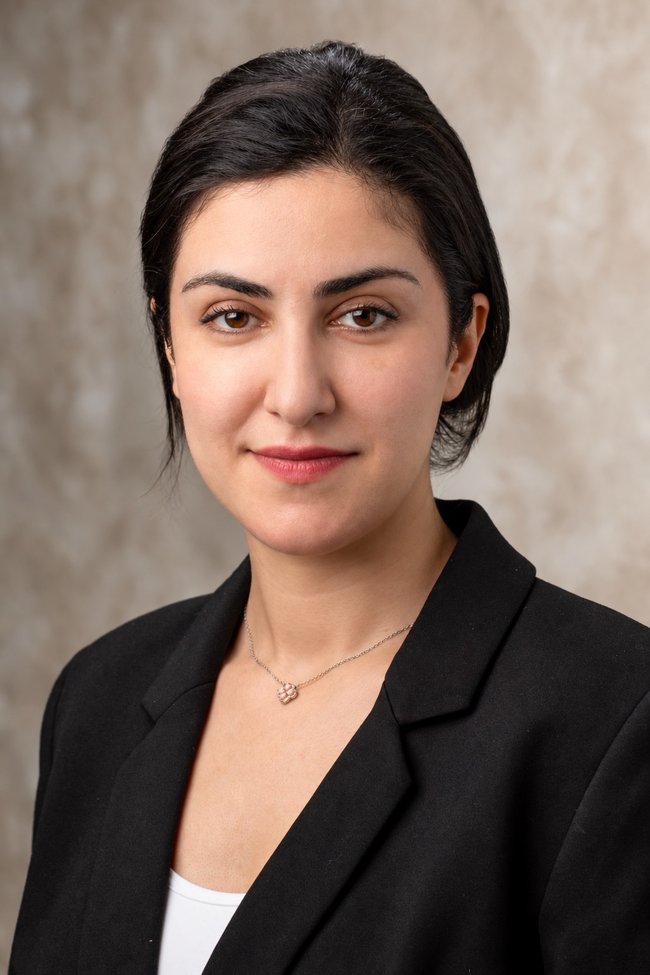
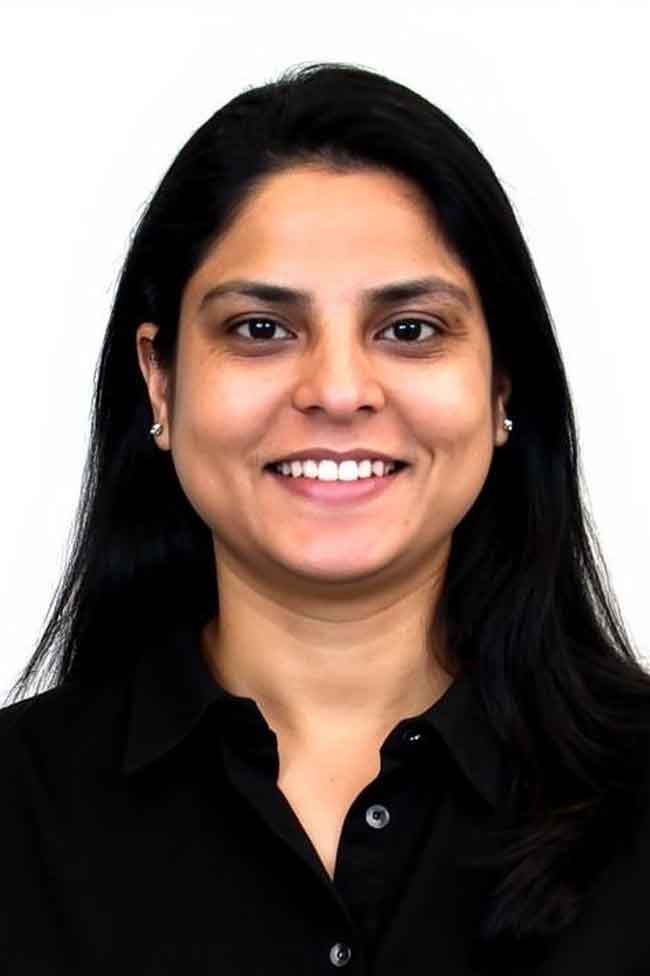
- B.S in Technology, Punjab Technical University
- M.B.A. in Logistics, Materials, and Supply Chain Management, North Carolina State University
- Ph.D in Applied Economics, Agricultural Economics, Kansas State University
- First Place, Local Food Data Visualization Competition, AAEA and USDA AMS, 2024
- Robert Nunemacher Scholarship, 2024
- Loren and Phyllis Harris Scholarship, 2023
- First Place, Case Study Competition, IFAMA and Bayer, 2023
- AAUW Scholarship, 2022
- Second Place, Case Study Competition, AAEA, 2021
- Semifinalist, Global BT Challenge Cup Championship, British Telecom, 2018
- The BB&T Leadership Institute’s Emerging Leaders Certification, 2015
- Accenture Celebrates Excellence Award (ACE) Award, Accenture, 2012
- Certified Professional in Supply Management (CPSM) 2019 - 2023
- Techno economic analysis of digital infrastructure, platform strategy, and innovation under multi stakeholder market structures
- Agricultural and food system economics, including resilience, diversification, precision agriculture, and local supply chain development
- Applied AI, machine learning, and decision support systems for health, agriculture, and regional economic development
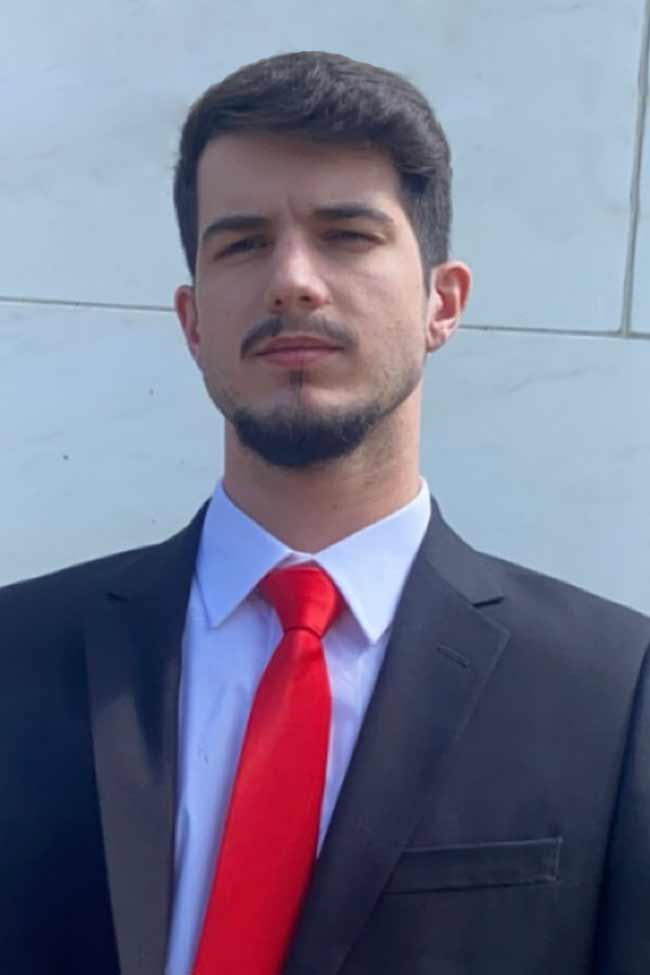

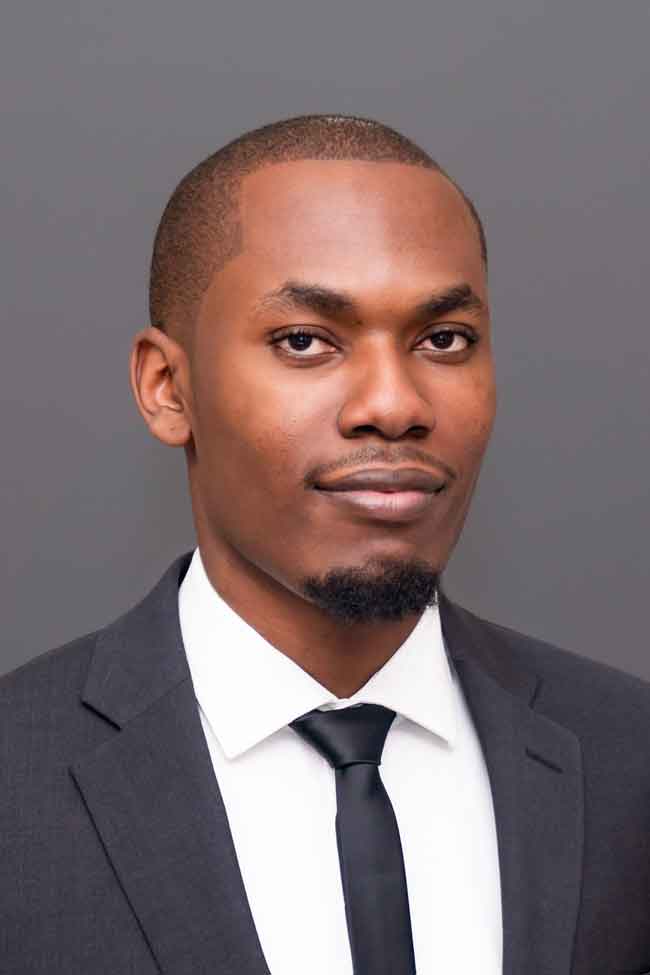
- B.S. in Mechanical Engineering with a minor in Mathematics and Physics from University of Arkansas (2018)
- Ph.D. in Mechanical Engineering from University of Arkansas (2024)
- Computational fluid dynamics and material science
- Multi-scale patient-specific modeling
- Computational frameworks to assist with pre-operative planning
- Jack, J. T., Jensen, M., Collins, R. T., Chan, F. P., and Millett, P. C., 2024, “Numerical Study of Hemodynamic Flow in the Aortic Vessel of Williams Syndrome Patient with Congenital Heart Disease,” Journal of Biomechanics, 168, p. 112124.
- Jack, J. T., Jensen, M., Collins, T., Chan, F. P., and Millett, P. C., 2023, “Numerical Studies of Hemodynamic Flow in the Aortic Vessel of Patients With Congenital Heart Disease,” ASME IMECE2023, Volume 5: Biomedical and Biotechnology.
- Gal, D. B., Lechich, K. M., Jensen, H. K., Millett, P. C., Bolin, E., Daily, J., Jack, J. T., Stephens, S., Jensen, M. O., and Collins, R. T., 2022, “The Sinotubular Junction-to-Aortic Annulus Ratio as a Determinant of Supravalvar Aortic Stenosis Severity,” The American Journal of Cardiology, 164, pp. 118-122.
- Jack, J. T., and Millett, P. C., 2021, “Numerical Study of the Phase Behavior of Rod-like Colloidal Particles with Attractive Tips,” AIP Advances, 11(2), p. 025030.


My research focuses on assessing the risk of inhalable toxicants and understanding the molecular mechanisms of chronic lung diseases. Our research program is the Translational Respiratory Research Unit (TRRU).
I received my bachelor’s (1998) and master’s degrees (2000) from the University of Calcutta, India, followed by a post graduate diploma in management of information technology (PGDMIT) from the Asia Pacific Institute of Management, New Delhi (2002). I completed my PhD degree (2005) in the field of developmental genetics from the Technical University of Munich, Germany. My postdoctoral research (2005 - 2010) was at the Helmholtz Zentrum Munich, Institute of Lung Biology and Disease, Comprehensive Pneumology Center, Germany.
I had faculty appointments at the department of Environmental and Occupational Health, University of Pittsburgh, USA (2010-2012) and at the SRM Institute of Engineering and Technology, Chennai, India (2012 - 2016). I worked as associate professor at the Institute of Environmental Medicine (IMM), Karolinska Institutet from 2016-2025. Since fall 2025, I joined the University of Arkansas.
- B.Sc. in Botany, Zoology and Chemistry from University of Calcutta (1998)
- M.Sc. in Botany (cytology, molecular genetics and plant tissue culture) from University of Calcutta (2000)
- Post Graduate Diploma in Management of Information Technology (PGDMIT) from Asia Pacific Institute of Management, New Delhi (2002)
- Ph.D. in Developmental Genetics from Technical University of Munich (TUM), Germany, magna cum laude (2005)
- Translational Respiratory Research Unit (TRRU) with Population-Bench-Population approach
- Chronic Obstructive Pulmonary Disease (COPD) and social determinants of respiratory health
- Non-tobacco causes of COPD
- Asthma
- Novel Alternative Methods (NAMs)
- Smokeless tobacco products (electronic cigarettes, heated tobacco products, oral tobacco)
- Micro and nanoplastics (MNPs)
- Establishment of respiratory workflow in low resource settings
- 2019–2022 Swedish Heart Lung Foundation Research Months
- 2016–2018 VINNMER-Marie Curie Incoming Fellowship
- 2015 VINNOVA Planning Grant, Swedish Innovation Council
- 2008 Annemarie Poustka Poster Award for Medical Genome Research (Roche Diagnostics), National Genome Research Network, Germany
- Academic editor: Nature Scientific Reports, Respiratory Research, The Nucleus, PLoS One, Toxics (MDPI); Guest Editor, Cells (MDPI)
- Grant reviewer for NIH Fogarty International Center (GHES), Research Council of Finland and others
- European Registered Toxicologist (ERT), since 2019
- Docent in Environmental Medicine, Karolinska Institutet, 2020
- GMP, Regulatory Affairs, GDP, Medical Affairs and Pharmacovigilance certification, MEDHOUSE AB and Svensk Medicin AB, 2024
- Pharmacovigilance, Uppsala Monitoring Centre, 2023
- 61 peer-reviewed articles and 2 book chapters; h-index 26, i10-index 50. Full list on PubMed
The Neural Electrode Interface Technologies Lab, led by Dr. Elisa Castagnola, focuses on combining research in material science and new microfabrication techniques for the development of innovative neurotechnology, advancing state-of-the-art implantable neural devices and bringing them to a clinical setting. The lab is currently funded by NIH and NSF to work on the development and in-vivo validation of innovative carbon-based neural devices with superior capability in neurochemical sensing and neurophysiological recordings.
- B.S. in Biomedical Engineering from University of Genoa, Italy (2005)
- M.S. in Bioengineering from University of Genoa, Italy, magna cum laude (2007)
- Ph.D. in Robotics, Neuroscience and Nanotechnologies from Italian Institute of Technology, Genoa, Italy (2011)
- Material science
- Microfabrication
- Electrochemistry
- Neurochemical and electrophysiological sensing
- Macrostimulation
- 2025 NSF CAREER Award, “Advanced Implantable Interface for Chronic Chemical and Electrophysiological Monitoring of Neural Activity”
- 2025 College of Engineering and Science Research Award, Louisiana Tech University
- 2025 Early Career Excellence in Research, Louisiana Tech University
- 2025 ASME IMECE MEMS Division Best Student Paper Award (Master Student: S.C. Sellen)
- 2025 ASME IMECE Best Research Poster Award
- 2024 Invited talk selected from abstract, Neuroelectronic Interfaces Gordon Research Conference, Galveston, TX
- 2018 Speaker/discussion leader, Neuroelectronic Interface Gordon Research Conference, Galveston, TX
- 2018 Cover paper, Advanced Biosystems, 2(1), 1700081
- Qualification to the Profession of Information Technology Engineer in Italy (University of Genoa)
- I. Gatti, K. Eisawi, U. Siwakoti, G. Jadwin, A. Sigdel, M. Chiappalone, D. Kumbhare, M. Naguib, E. Castagnola, “MXene/PEDOT Functional Coatings on Flexible Microelectrode Arrays for Multianalyte In Vivo Neurochemical Sensing and Electrophysiology,” Advanced Functional Materials 36(46), e75402, 2026.
- E. Castagnola, K.H. Lee, D. Ricci, “Carbon microelectrodes for neurochemical sensing,” Frontiers in Bioengineering and Biotechnology 14, 1799334, 2026.
- B. Wu, E. Castagnola, E. Robbins, M. Kaminsky, S. Sanker, C. McClung, X. T. Cui, “Tonic Dopamine Sensing Reveals a D2/D3 Mediated Dopamine Response to Raclopride in ClockΔ19 Mice Model,” npj Biosensing 3(1), 30, 2026.
- M. Abdulhafez, E. Castagnola, M. Sahaluddin, G. Baglieri, G. Najaf Tomaraei, S. Ghosh, X. T. Cui, M. Bedewy, “Lowering Impedance and Improving Sensitivity in Laser-Induced Graphene Biosensors via Speed-Dependent Sequential Irradiation,” ACS Applied Materials & Interfaces 18(1), 613–628, 2026.
- S.C. Sellen, U. Siwakoti, A. Sigdel, B. Jaiswal, S. Zivanovic, E. Castagnola, “Advancing glassy carbon microelectrode arrays for neurochemical sensing: impact of double pyrolysis on structure and function,” Frontiers in Bioengineering and Biotechnology 13, 164206, 2025.
- U. Siwakoti, M.Y. Pwint, A. M. Broussard, D.R. Rivera, X.T. Cui, E. Castagnola, “Batch-fabricated Full Glassy Carbon Fibers for Real-time Tonic and Phasic Dopamine Detection,” Frontiers in Bioengineering and Biotechnology 13, 1543882, 2025.
- U. Siwakoti, S. A. Jones, D. Kumbhare, X.T. Cui, E. Castagnola, “Recent Progress in Flexible Microelectrode Arrays for Combined Electrophysiological and Electrochemical Sensing,” Biosensors 15(2), 100, 2025.
- E. Castagnola, Q. Cao, E. Robbins, B. Wu, M.Y. Pwint, U. Siwakoti, X.T. Cui, “Glassy Carbon Fiber-Like Multielectrode Arrays for Neurochemical Sensing and Electrophysiology Recording,” Advanced Materials Technologies, 2400863, 2024.
- B. Wu, E. Castagnola, C. McClung, X. T. Cui, “PEDOT/CNT Flexible MEAs Enabled Chronic In Vivo Dopamine and Electrophysiology Measurements Reveal New Insights into Clock Gene’s Regulation on the Dopamine System,” Advanced Science, 2308212, 2024.
- E. Castagnola, E.M. Robbins, D. D. Krahe, B. Wu, M.Y. Pwint, Q. Cao, X. T. Cui, “Stable in-vivo electrochemical sensing of tonic serotonin levels using PEDOT/CNT-coated glassy carbon flexible microelectrode arrays,” Biosensors and Bioelectronics 230, 115242, 2023.
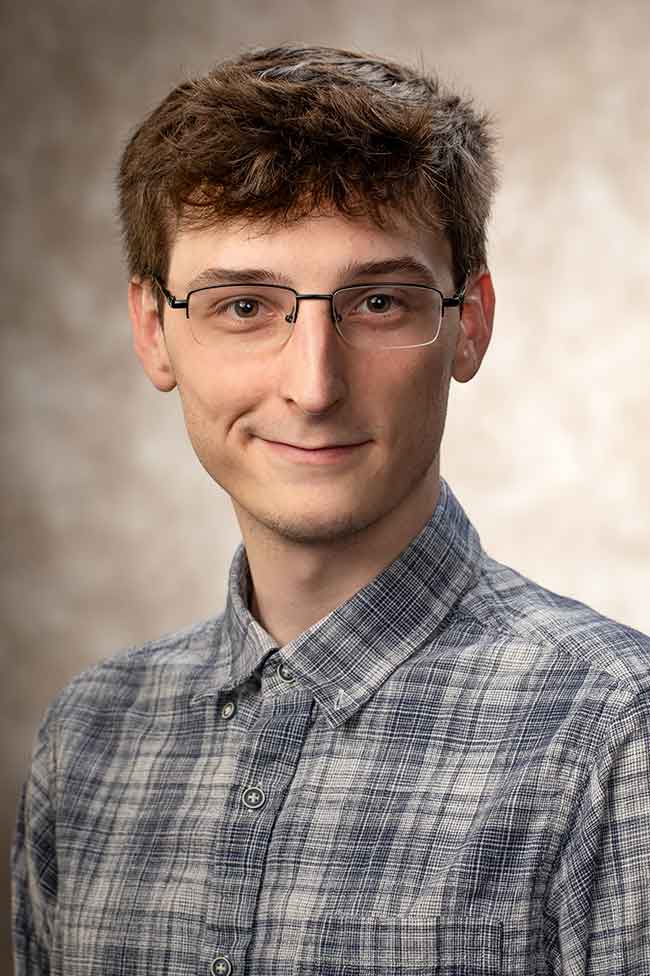
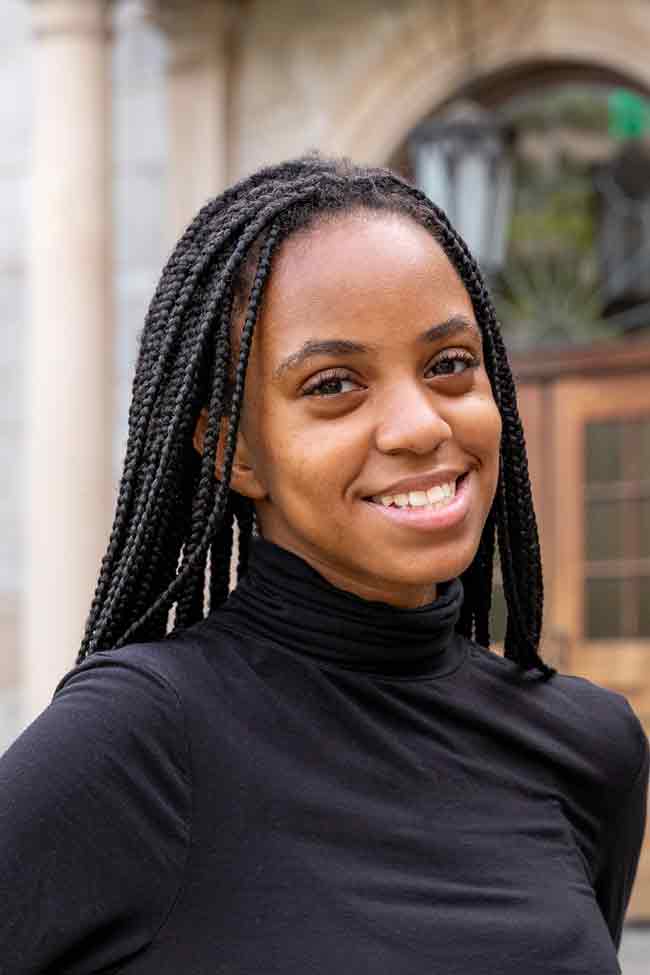
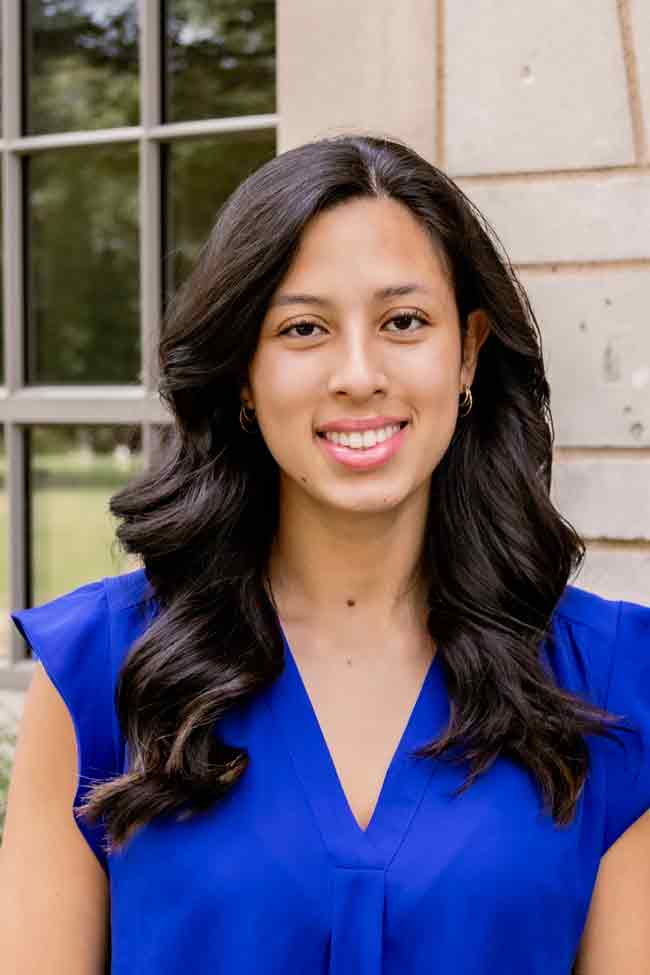
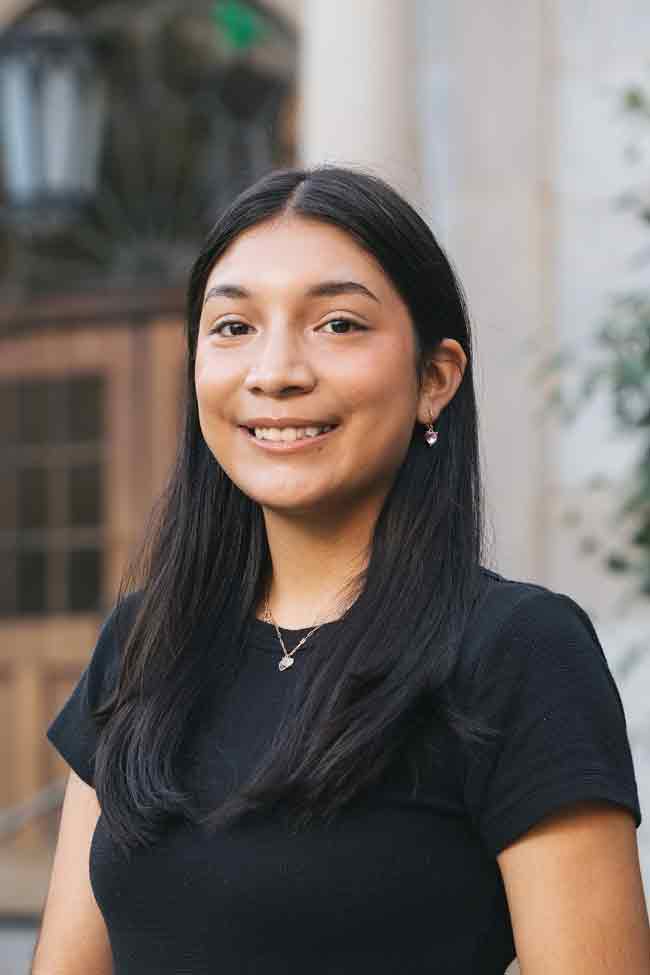


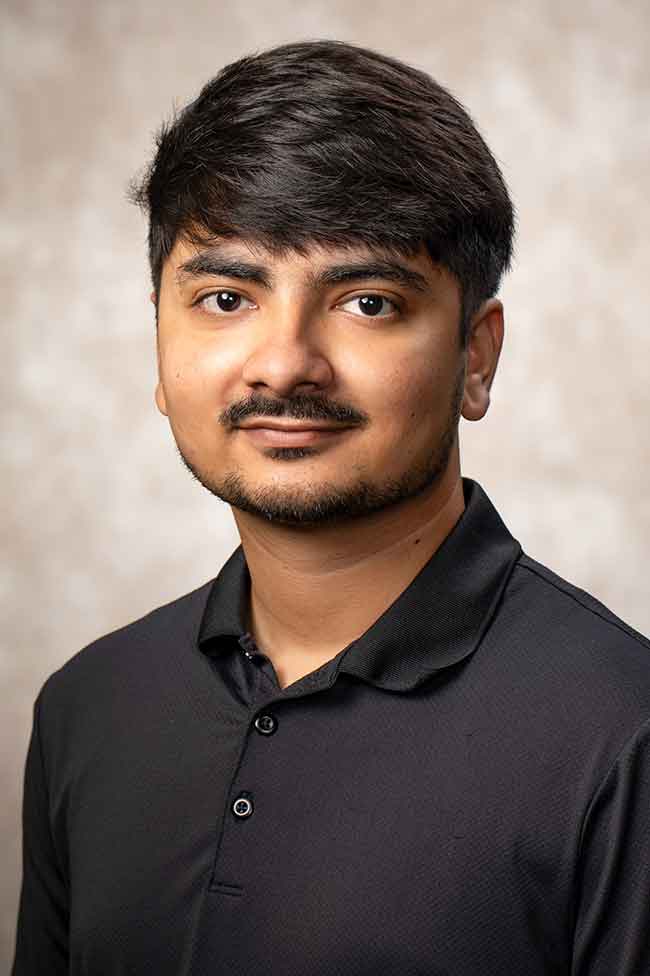


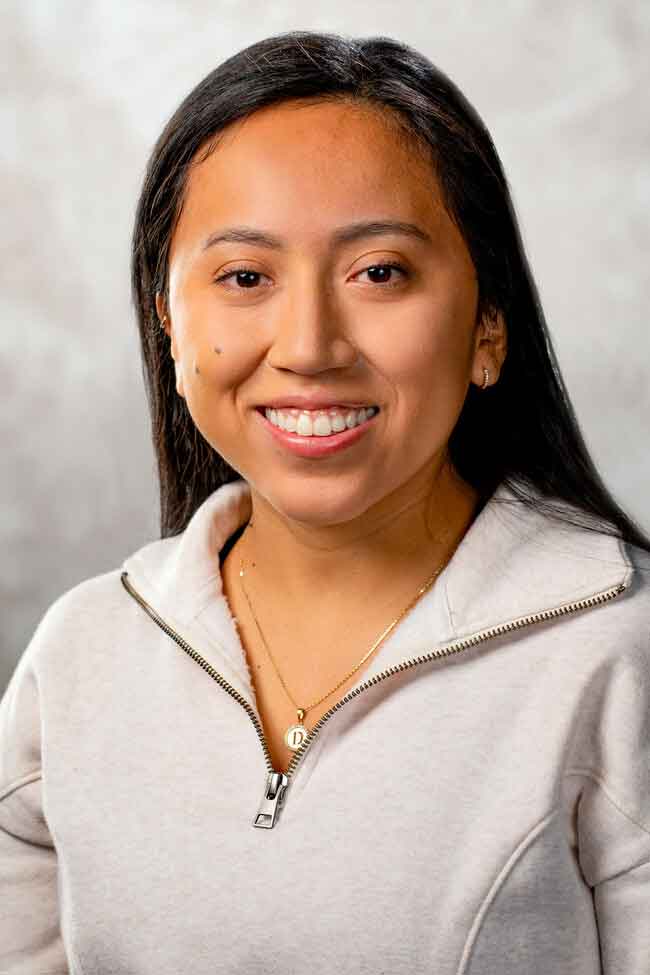
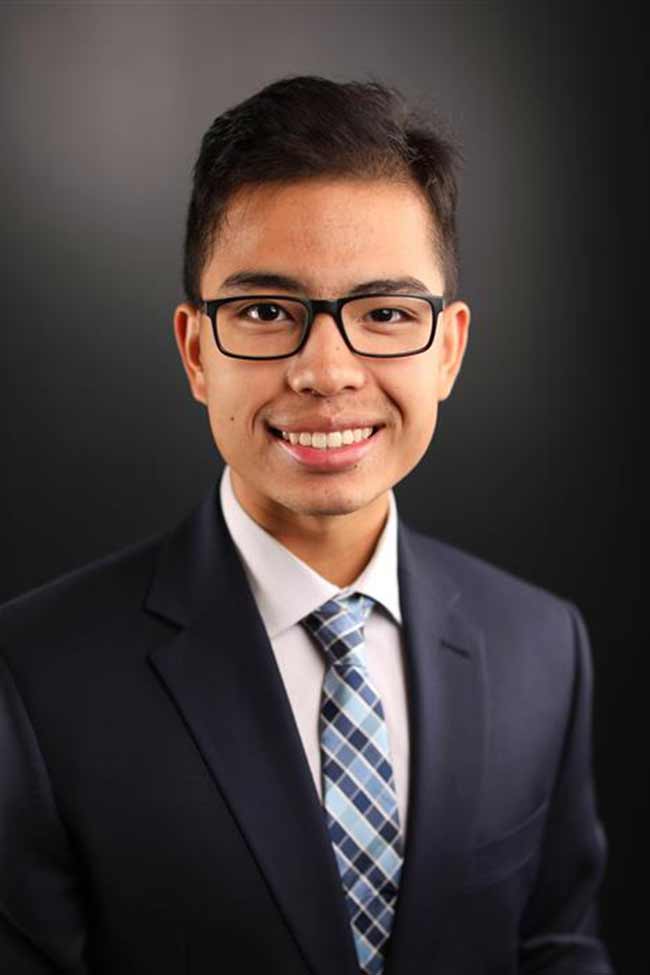
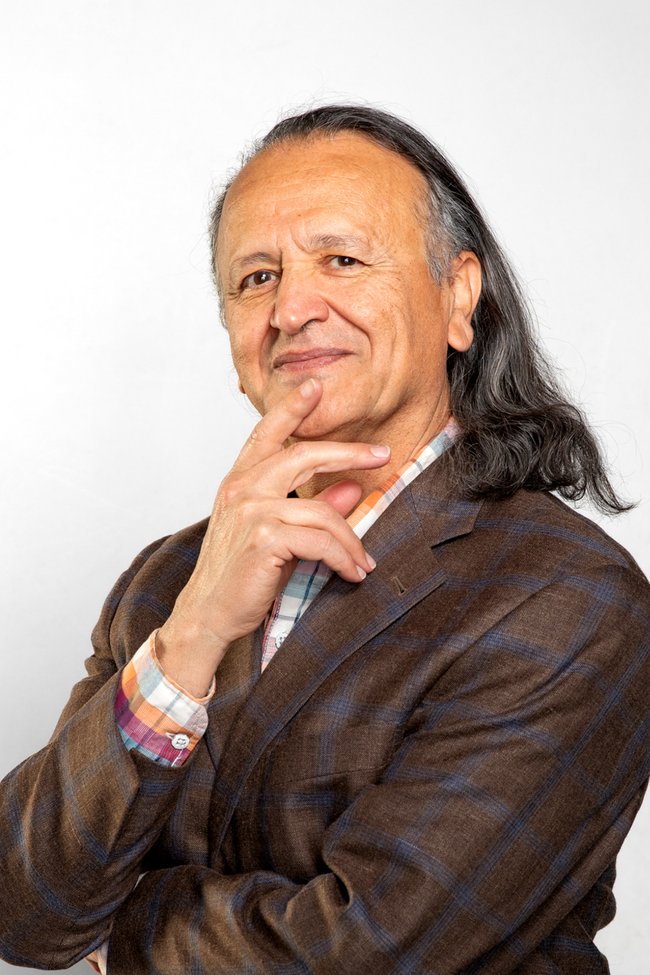
Mohsen Bazargan, PhD, is a Research Professor at the Institute for Integrative and Innovative Research (I³R) at the University of Arkansas and an Adjunct Professor of Family Medicine at Charles R. Drew University of Medicine and Science (CDU) and the UCLA David Geffen School of Medicine. A medical sociologist trained at the State University of New York at Buffalo, he has been on the CDU faculty since 1993, where he served as Director of Research for the Department of Family Medicine and as President of the Academic Senate.
Dr. Bazargan has authored more than 250 peer-reviewed publications on healthcare access and utilization, chronic disease management, medication safety and health outcomes among underserved and hard-to-reach populations across the life course. His research has been supported for three decades by the NIH (including NIMHD and NIA), CMS, HRSA, ACF and PCORI. Much of his work is community-engaged intervention and implementation research, carried out in partnership with patients, churches, schools, public housing communities and clinics — including in-home studies of medication safety with nearly 1,000 older adults and a depression-screening initiative with about 12,000 people that helped bring depression screening into routine family medicine visits in Los Angeles County.
At I³R, his work is expanding to rural and medically underserved communities in Arkansas, focusing on healthcare access, behavioral and mental health, and maternal and perinatal health. He leads a PCORI Engagement Award with the Community Clinic of Northwest Arkansas to set a patient-prioritized maternal and perinatal health research agenda.
- Ph.D. in Sociology (Aging, Medical Sociology, Social-Psychology, Research Methods & Statistics) from State University of New York at Buffalo (1990)
- M.A. in Sociology (Aging, Medical Sociology) from State University of New York at Buffalo (1981)
- B.A. in Sociology and Demography from University of Tehran (1978)
- Healthcare access and utilization among underserved populations
- Aging, medication safety, polypharmacy and chronic disease management
- Community-engaged intervention and implementation science
- Rural health in Arkansas
- Maternal and perinatal health
- Adolescent mental health and adverse childhood experiences (ACEs)
- Program evaluation and implementation-oriented evaluation
- Adjunct Professor, Department of Family Medicine, Charles R. Drew University of Medicine and Science
- Adjunct Professor, Department of Family Medicine, UCLA David Geffen School of Medicine
- 2023 Outstanding Professor Award, Academic Senate, Charles R. Drew University of Medicine and Science
- 2023 Recognition of Exemplary Leadership and Support as a CDU Faculty Trustee, CDU Board of Trustees
- 2016 Excellence in Service Award, College of Medicine Faculty Executive Board, CDU
- 2016 Education Legacy Award, Office of the President, CDU
- 2016 Recognition of Service as President of the Academic Senate (2010–2016), CDU Board of Trustees
- 2014 Outstanding Award, Research Centers in Minority Institutions Translational Research Network (RTRN)
- 2013 Outstanding Professorial Award, Academic Senate, CDU
- 2005, 2007, 2009, 2011 Outstanding Research Mentor Award, medical student research thesis program, CDU / CDU–UCLA Medical Education Program
- 2008 Teen Awareness Program community recognition, South Central Los Angeles
- 2005 Chairman’s Special Recognition, Department of Family Medicine Residency Program, KING Medical Center
- 2003 Excellence as a Reviewer, Journal of the National Medical Association
- 2000 Research Centers in Minority Institutions (RCMI) Award of Excellence
- 1999 Medal of Honor for convening the First International Conference on Aging, Tehran, Iran
- President, Academic Senate, Charles R. Drew University (2011–2016, re-elected; 2024–2025)
- Faculty Trustee, Charles R. Drew University (2017–2023)
- Director of Research, Department of Family Medicine, CDU (2001–2023)
- Director of Research, MPH Program, CDU (2011–2020)
- Director, Epidemiology and Biostatistics Center, CDU (1995–2006)
- Advisory Board Member, Resource Centers for Minority Aging Research – UCLA (2015–2018); National Mentoring Research Networks (2016–2019)
- Assistant Editor, Journal of the American Geriatrics Society (2001–2016); Associate (2014–2016)
- Editorial Board, Health Promotion Perspectives (2011–present)
- Ad hoc reviewer for 14 journals, including The Gerontologist, Journal of Gerontology, Diabetes Care and Preventive Medicine
- Kibe LW, Yaghmaei E, Schrode KM, Kuo Y, Bazargan M. Association Between DASH Adherence and Hypertension Among Older African American Parishioners in an Underserved Urban Community. J Prim Care Community Health. 2026;17:21501319261428338.
- Bazargan M, Comini J, Kibe LW, Assari S, Cobb S. Association between Migraine and Quality of Life, Mental Health, Sleeping Disorders, and Health Care Utilization Among Older African American Adults. J Racial Ethn Health Disparities. 2024;11(3):1530-1540.
- Adinkrah EK, Bazargan S, Cobb S, et al. Mobilizing faith-based COVID-19 health ambassadors to address COVID-19 health disparities among African American older adults in under-resourced communities: A hybrid, community-based participatory intervention. PLoS One. 2024;19(2):e0285963.
- Venegas-Murillo AL, Bazargan M, Grace S, et al. Mitigating COVID-19 Risk and Vaccine Hesitancy Among Underserved African American and Latinx Individuals with Mental Illness Through Mental Health Therapist-Facilitated Discussions. J Racial Ethn Health Disparities. 2023;10(3):1358-1370.
- King E, Bazargan M, Entsuah N, Tokumitsu SW, Wisseh C, Adinkrah EK. Potentially Inappropriate Medication Use among Underserved Older Latino Adults. J Clin Med. 2023;12(9).
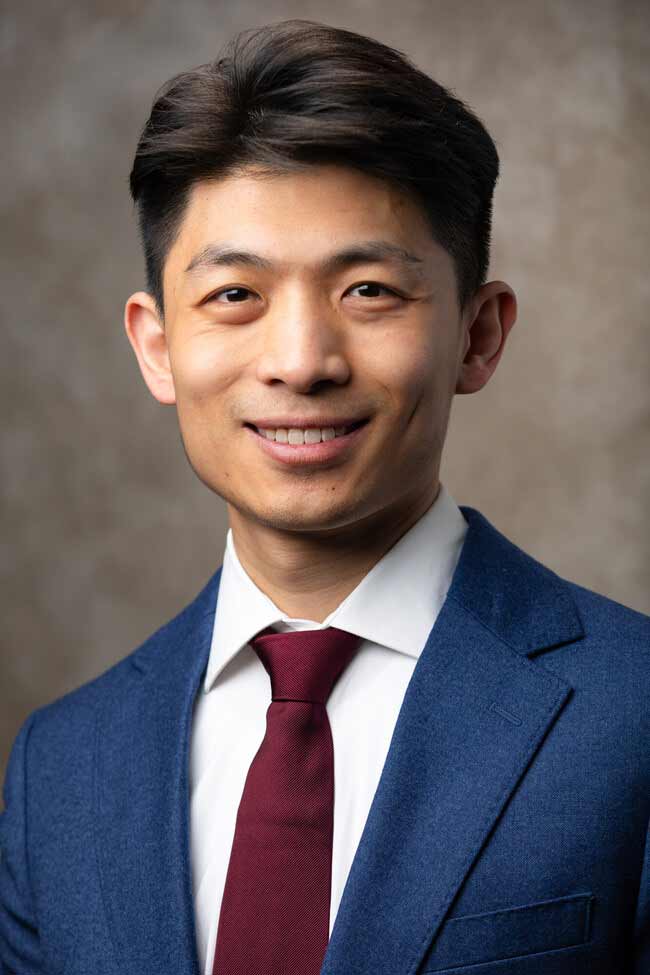
Robotics Research Engineer Joshua Liu specializes in the design and development of advanced computer- and robot-assisted surgical systems. He brings expertise in mechanical design, software development, and system integration, with a strong focus on automation and real-time control.
Joshua earned his Ph.D. in Mechanical Engineering from Johns Hopkins University.
- Ph.D. in Mechanical Engineering from Johns Hopkins University (2022)
- M.S.E. in Mechanical Engineering from Johns Hopkins University (2015)
- B.S. in Mechanical Engineering from Changsha University of Science and Technology (2013)
- Computer- and robot-assisted surgical systems
- Robotic System Design & Integration
- Medical Imaging
- AR/VR
- Li, Qihang, ... Liu, Joshua, et al. “Data-driven Shape Sensing of Continuum Dexterous Manipulators Using Embedded Capacitive Sensor.” 2023 IEEE SENSORS. IEEE, 2023.
- Huang, Wei-Lun, Liu, Shuya, et al. “DICOM file for total body photography: a work item proposal.” Proc. of SPIE Vol. 11934 (2022).
- Liu, Yihao, Liu, Shuya, et al. “Inside-out tracking and projection mapping for robot-assisted transcranial magnetic stimulation.” Proc. of SPIE Optical Architectures for Displays and Sensing in Augmented, Virtual, and Mixed Reality (AR, VR, MR) III, 1193108 (2022).
- Liu, Shuya, et al. “Automated Implant Resizing for Single-Stage Cranioplasty.” IEEE Robotics and Automation Letters 6.4 (2021): 6624-6631.
- Liu, Shuya, et al. “A robotic system for implant modification in single-stage cranioplasty,” in Proceedings of IEEE International Conference on Robotics and Automation (ICRA), Xi’an, China, 2021.
- Liu, Shuya, et al. “A portable projection mapping device for medical augmented reality in single-stage cranioplasty.” Optical Architectures for Displays and Sensing in Augmented, Virtual, and Mixed Reality (AR, VR, MR). Vol. 11310. International Society for Optics and Photonics, 2020.
- Gordon, Chad R, ... Liu, Shuya, et al. “First in-human experience with complete integration of neuromodulation device within a customized cranial implant.” Operative Neurosurgery 15.1 (2018): 39-45.
- Liu, Joshua, et al. “Design and development of 5-axis cranial implant laser cutting system.” International Design Engineering Technical Conferences and Computers and Information in Engineering Conference. Vol. 58110. American Society of Mechanical Engineers, 2017.
- Cutting machine for resizing raw implants during surgery
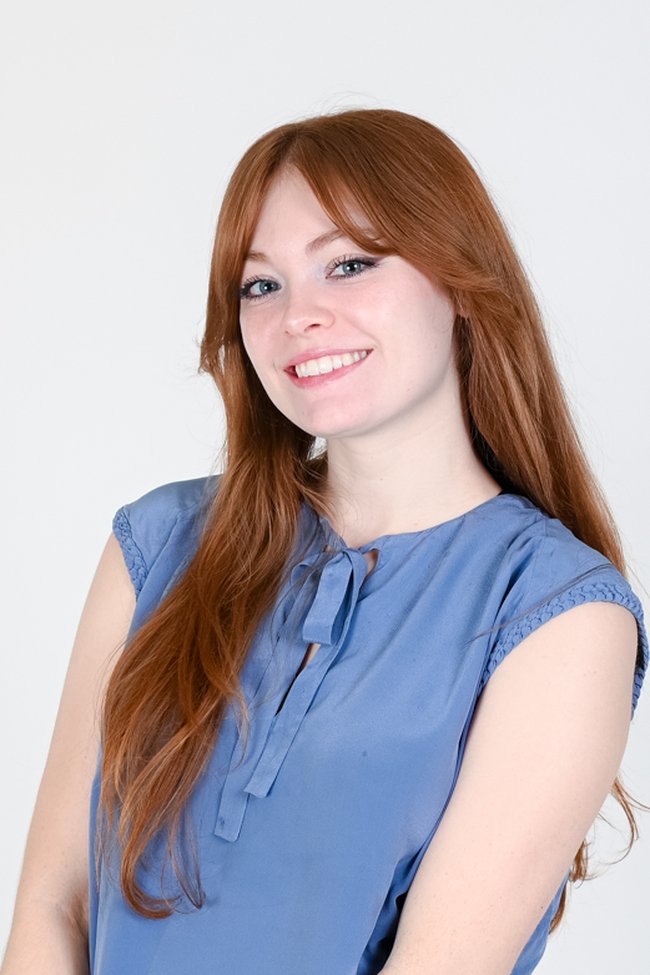
Lab Scientist and Manager Avery Holmes believes science is the perfect field for a dedicated life-long learner, and the Institute for Integrative and Innovative Research (I3R) is the perfect environment to start a career. “I just want to learn new things each day. I am glad I found a place where I can accomplish this goal. It’s different from any environment I’ve worked in before.”
Avery’s responsibilities find her working alongside distinguished researchers in the institute’s Adaptive Neural Systems (ANS) Group helping implant electrodes that interface with the Neural Enabled Prosthetic Hand (NEPH) system. “We see the impact we have on people; it’s not abstract or invisible. It’s cool to meet the people we are affecting.”
After graduating from the University of Oklahoma with a degree in Environmental Studies, Avery started looking for positions at colleges and universities throughout the country. She fielded offers from other research institutions, but I3R brought her back home to Arkansas where she grew up. “I looked far and wide between many colleges and universities, but I couldn’t get the University of Arkansas off my mind. It’s a good place to be.”
When not learning to solve wicked problems in the lab, Avery likes to express herself creatively by making art, cooking, and gardening. “I draw and turn those drawings into screen prints.”
Avery earned a Bachelor of Science in Environmental Studies from the University of Oklahoma, with plans to pursue a Master’s degree.
- B.S. in Environmental Studies from University of Oklahoma
- Clinical/Translational Neuroscience
- Medical device R&D
- Biomedical Engineering
- Ness, M., Holmes, A. L., Wu, C., Hossain, E., Ibberson, C. B., McCall, L. I. (2023). “Metabolomic analysis of polymicrobial wound infections and an associated adhesive bandage.” Journal of the American Society for Mass Spectrometry 34(9), 1847-1857.
- Ibberson, C. B., Barraza, J. P., Holmes, A. L., Cao, P., Whiteley, M. (2022). “Precise spatial structure impacts antimicrobial susceptibility of S. aureus in polymicrobial wound infections.” Proceedings of the National Academy of Sciences 119(51), e2212340119.
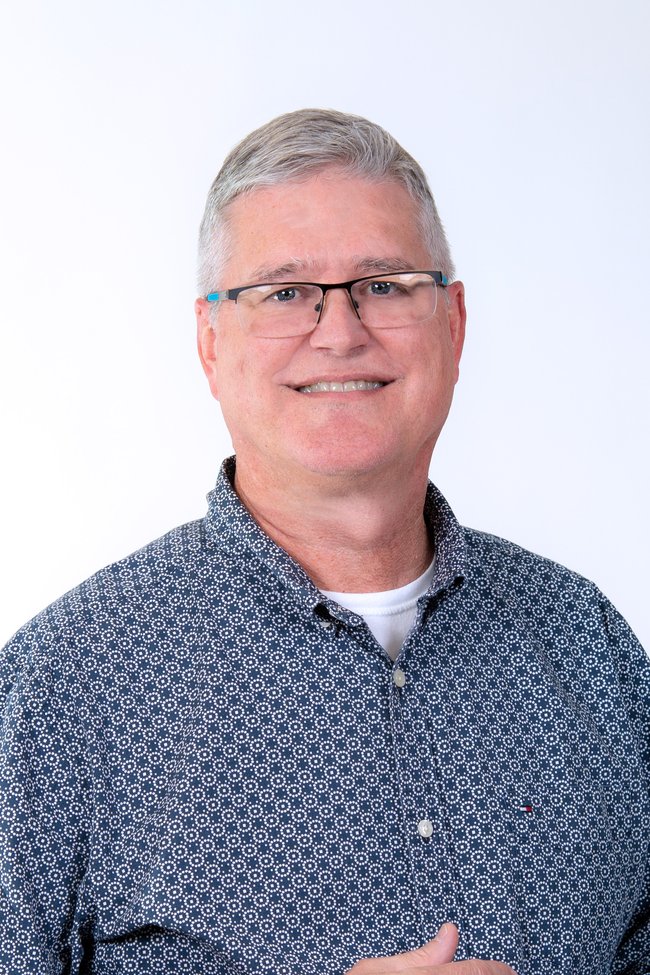
Prototyping and Fabrication Manager Jeff Jouett’s fascination with manufacturing began during his childhood, when he started reverse engineering gadgets to see how they worked. “I was a tinkerer. I took things apart as much as I could and put them back together.”
His childhood curiosity led him to a career in product development making visual models by hand. This ultimately led to prototypes and parts production for companies like Microsoft, SpaceX, and Boeing. “I love being able to take an idea and turn it into a physical product. It’s so rewarding.” His extensive experience with business applications provides a valuable perspective while working with the engineers and researchers at the Institute for Integrative and Innovative Research (I3R). “I try to look at everything from a manufacturing standpoint, which assists us in streamlining processes. Whether it be gaining interest by conveying project concepts or producing feasible prototypes” Collaborating with the engineers and researchers, Jeff shares the vision of I3R to solve wicked problems that make a large-scale global impact.
He is forming the prototyping infrastructure at I3R to facilitate bringing varied ideas to reality. His insights on equipment with the ability to produce parts from various materials allow for effective research. “We need to be self-sustaining to work with our engineers and researchers, but also engage with outside industry to support the growing innovation and startup ecosystem in Northwest Arkansas.”
Jeff studied architecture at the University of Arkansas and has family roots in Northwest Arkansas. Two of his children are seniors at the University, furthering his love for the region. “Fayetteville has always felt like home. I’m an outdoor guy so I love all Arkansas has to offer.”
Jeff earned a Bachelor of Science in Illustration and Graphic Design from Bemidji State University.
- Bachelor of Science, Illustration and Graphic Design with a minor in Model Building from Bemidji State University
- Prototyping
- Surgical Devices
- Additive Manufacturing
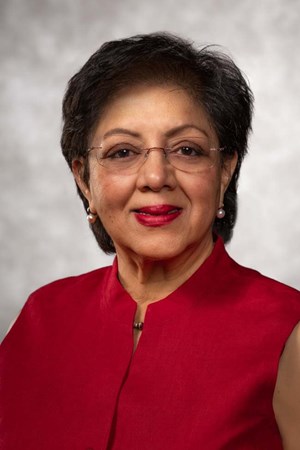
Dr. Jung joined U of A in December 2021 and serves as an endowed chair, Distinguished Professor of biomedical engineering, and associate vice-chancellor. Her experience includes serving as interim Dean and Department Chair in a College of Engineering and Computing. Professor Jung’s research is at the cutting edge between engineering and neuroscience, developing devices that lead to scientific advances with clear pathways to clinical application. A champion for innovation and entrepreneurship, her team developed the first wireless, implantable neural-interface system for restoring sensations to individuals with upper-limb amputation and received FDA approval to conduct a first-in-human trial. A Fellow of the American Association for the Advancement of Science, the National Academy of Inventors, the American Institute for Medical and Biological Engineering, and the Biomedical Engineering Society she holds 14 U.S. patents, has founded a company, and has authored more than 130 publications. She is also appointed to the US National Institutes of Health National Advisory Council for Biomedical Imaging and Bioengineering. Jung received her Doctoral and Master’s degrees in Biomedical Engineering from Case Western Reserve University, USA and her Bachelor’s with Distinction, in Electronics & Communication Engineering from National Institute of Technology, Warangal, India.
- B.S. in Electronics and Communication Enginnering, National Institute of Technology, Warangal India
- M.S. in Biomedical Engineering from Case Western Reserve University
- Ph.D. in Biomedical Engineering from Case Western Reserve University
- Neural Engineering
- Computational Neuroscience
- Sensorimotor Integration
- American Association for the Advancement of Science (Member)
- Biomedical Engineering Society (Member)
- Institute of Electrical and Electronics Engineers Inc. (Senior Member (Elected 2006; only 7% of the approx. 380,000 members are elected to this rank); Student member (‘81-’82 (India), ’87-’91 (USA)); Member 1992, Senior Member 2006)
- IEEE Engineering in Medicine and Biology Society (Member)
- International Women’s Forum (Member by invitation and selection only)
- National Academy of Inventors (Charter Member, 2012)
- Organization for Computational Neurosciences (President 2006-2009; Board of Directors 2003-2005)
- Sigma Xi (Full Member by nomination)
- Society for Neuroscience (Member)
- Society of Women Engineers (Senior Member)
- Lifetime Fellow (Elected 2022): American Association for the Advancement of Science (AAAS) “for distinguished contributions in inspired technologies for humans for recovery and restoration of lost function, and development of the first wireless, implantable, intraneural-interface system for haptic restoration on upper-limb amputation”
- Fellow (Elected 2020): Biomedical Engineering Society (BMES) “for national and international contributions to Biomedical Engineering and for inspirational leadership within the Biomedical Engineering Society”
- Fellow (Elected 2017): National Academy of Inventors (NAI) “have demonstrated a highly prolific spirit of innovation in creating or facilitating outstanding inventions that have made a tangible impact on quality of life, economic development, and the welfare of society”
- Fellow (Elected 2013): American Institute for Medical and Biological Engineering (AIMBE) “for outstanding contributions to developing novel physiology-based orthopedic devices, and for fostering academic and industrial interactions to advance neuro-engineering”
- Doctor Technices Honoris Causa, Aalborg University, Denmark (2021) “For Her Distinguished Efforts in The Field of Biomedical Engineering, Neural Engineering and Neurophysiological Control For Rehabilitation”
- Ernst & Young Innovator of The Year, NWA Tech Summit (2023)
- Distinguished Professor of Biomedical Engineering and Endowed Chair of Institute of Integrative and Innovative Research, University of Arkansas (2021)
- Science and Technology Award, 31st annual In the Company of Women Awards, Miami-Dade County Commission for Women (2019)
- Health Care Heroes Award Finalist, Greater Miami Chamber of Commerce, Miami, Florida (2019)
- Torch Award, Outstanding Faculty Award, Florida International University (2016)
- Outstanding Support and Leadership Award, Society of Aerospace Engineering Student Chapter, College of Engineering and Computing, Florida International University (2016)
- Top Scholar, Florida International University (2012)
- New Florida 2010 Scholars Boost Award, Board of Governors, Florida (2011)
- Wallace H. Coulter Eminent Scholar Endowed Chair in Biomedical Engineering, Florida International University (2011)
- Commissioner: Biomedical Research Commission, State of Arizona (2009-2011)
- Faculty Honoree, Ira A. Fulton School of Engineering, Arizona State University (2007)
- Science and Engineering Award, Governor’s Certificate of Recognition, Commonwealth of Kentucky (2002)
- Whitaker Foundation Young Investigator Research Award (1997)
- Individual National Research Service Award (F32), National Institutes of Health: National Institute of Neurological Disorders and Stroke) (1993-1995)
- N.E. Ohio Research Fellow, American Heart Association (1991-1992)
- All India Student Seminar and Paper Contest in Electronics, Finalist, Hyderabad, India (1981)
- Gandhi Memorial Centenary Merit Scholarship, Bhilai Steel Plant, Steel Authority of India Ltd., India (1977-1982)
- Self-Anchoring MEMS Intrafascicular Neural Electrode (2010), assigned to Arizona Board of Regents, a body corporate acting for and on
behalf of Arizona State University.
- Modular Multi-Channel Inline Connector System (2014), assigned to The Florida International University Board Of Trustees.
- Neuromorphic controlled powered orthotic and prosthetic system (2014), assigned to Advensys, Llc.
- Method for mapping sensor signals to output channels for neural activation (2014), assigned to Ranu Jung, James J. Abbas, Brian P. Smith, Kenneth Horch.
- Fitting system for a neural enabled limb prosthesis system (2014), assigned to The Florida International University Board Of Trustees.
- Communication interface for sensory stimulation (2015), assigned to Ranu Jung, Kenneth Horch, James J. Abbas, Stephen Phillips, Bertan
Bakkaloglu, Seung-Jae Kim.
- Multi-lead multi-electrode management system (2016), assigned to The Florida International University Board Of Trustees.
- Low noise analog electronic circuit design for recording peripheral nerve activity (2017), assigned to The Florida International University Board Of Trustees.
- Neural interface activity simulator (2017), assigned to The Florida International University Board Of Trustees.
- Systems and methods for decoding intended motor commands from recorded neural signals
for the control of external devices or to interact in virtual environments (2017), assigned to The Florida International University Board Of Trustees.
- System and method for neuromorphic controlled adaptive pacing of respiratory muscles
and nerves (2018), assigned to The Florida International University Board Of Trustees.
- Flanged self-closing microchannel array (2019), assigned to The Florida International University Board Of Trustees.
- Multi-lead multi-electrode management system (2019), U.S. Patent No. 10,384,057 B2.
- Directional-specific extraneural recording device (2020), assigned to The Florida International University Board Of Trustees.
- System and method for neuromorphic controlled adaptive pacing of respiratory muscles
and nerves (2020), U.S. Patent No. 10,589,098 B2.
- Systems and methods for providing haptic feedback when interacting with virtual objects (2021), assigned to The Florida International University Board Of Trustees.
- Systems and methods for controlled pacing of respiratory muscles (2022), assigned to The Florida International University Board Of Trustees.
- Systems and methods for delivering focalized neurostimulation (2022), assigned to The Florida International University Board Of Trustees and Arizona
Board Of Regents On Behalf Of Arizona State University.
- Systems and methods for providing haptic feedback when interacting with virtual objects (2022), U.S. Patent No. 11,402,904 B1.
- Systems and methods for implanting longitudinal intrafascicular electrodes (2024), assigned to The Florida International University Board Of Trustees.
- Neuromorphic controlled powered orthotic and prosthetic system (2024), U.S. Patent No. 12,016,788 B2.
- Raise-retractor assistive instrument for stable elevation (patent application, 2026), U.S. Application No. 64/076,110.
- More than 130 publications; Co-Editor-in-Chief of the Encyclopedia of Computational Neuroscience (Springer; 2nd ed. 2022) and editor of Biohybrid Systems: Nerves, Interfaces, and Machines (Wiley-VCH, 2011). Recent:
- Ortega Sanabria A, Regnacq L, Thota AK, Holmes A, et al., Abbas JJ, Jung R. Selective activation of nerve fiber subpopulations with intrafascicular stimulation. J Neural Eng. 2026;23:056031.
- Benigni TR, Pena AE, Shell A, Asbee JM, Kuntaegowdanahalli SS, Abbas JJ, Jung R. Single-Site Non-Invasive Peripheral Nerve Stimulation with Multidimensional Encoding Enables Object Differentiation using a Myoelectric Prosthetic Hand. J Neural Eng. 2026;23:036036.
- Regnacq L, Thota AK, Ortega Sanabria A, et al., Abbas JJ, Jung R, Kölbl F. Fascicle-Selective Kilohertz-Frequency Neural Conduction Block with Longitudinal Intrafascicular Electrodes. J Neural Eng. 2025;22(2):026045.
- Thota A, Jung R. Accelerating neurotechnology development using an Agile methodology. Front Neurosci. 2024;18.
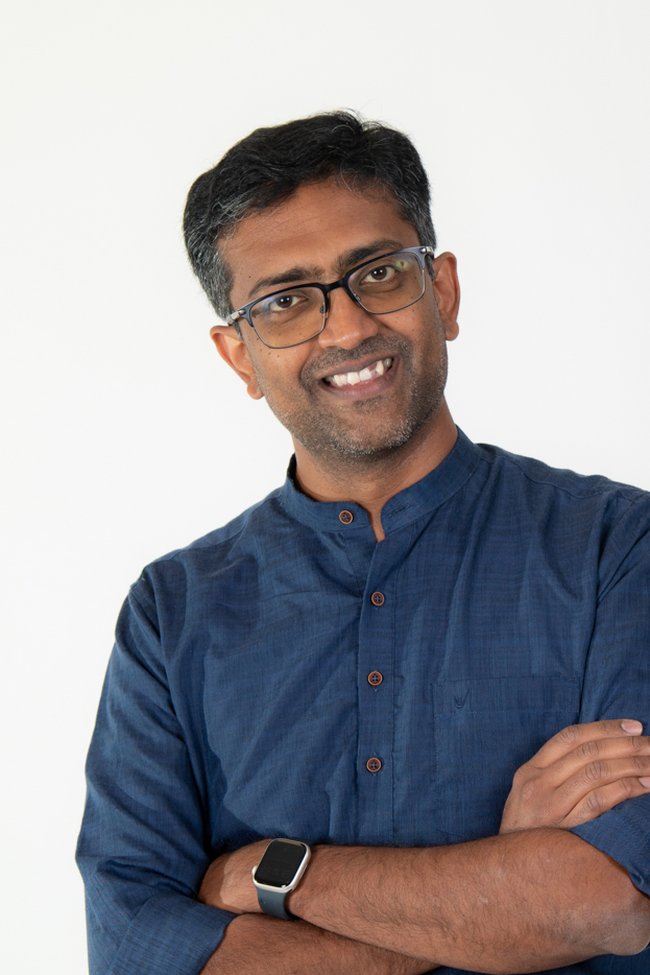
Senior Research Scientist Dr. Sathyakumar S Kuntaegowdanahalli’s parents sparked a passion for community service in him as a child. His mother worked as a teacher and his father in public service. “They showed me how rewarding it was to serve the community in your own way,” Sathya says, “and working in the Adaptive Neural Systems Lab at I3R is my way of serving the community.”
Sathya connects his background in electrical engineering with medical research as a member of the interdisciplinary team that developed and received Food and Drug Administration (FDA) approval to investigate an innovative prosthetic hand system that has the potential to deliver meaningful sensations of touch, grip force and hand opening to upper limb amputees. “We’ve created a device that relays relevant sensory information from sensors in the prosthetic hand, through the nerves in the arm and the spinal cord, to the brain enabling the individual to know what they are doing and feeling with their prosthesis,” he says. Sathya views his groundbreaking work to integrate the nervous system with the novel neural-enabled prosthetic hand as a way to make a positive societal impact.
As a biomedical engineer, Sathya envisions discovering scalable solutions at the intersection of medical engineering, medical sciences, and technology that make significant contributions to enhancing quality of life. He finds the creative and collaborative environment at I3R uniquely suited for the success of the research he is part of due to the supporting infrastructure. “We have the physical resources and administrative support to move our research into the market,” Sathya adds.
Outside of the lab, Sathya devotes time to his young children, enjoys running, and wildlife photography.
Sathya earned his PhD in Biomedical Engineering from Florida International University. He was part of the team that placed third for the 2020 Cade Prize for Innovation and took part in the National Institutes of Health C3i Concept to Clinic: Commercializing Innovation Program.
- B.E. in Electronics and Instrumentation from Birla Institute of Technology and Science, Pilani, India
- M.Sc. in Mathematics from Birla Institute of Technology and Science, Pilani, India
- M.S. in Electrical Engineering from University of Cincinnati
- Ph.D. in Biomedical Engineering from Florida International University
- Neural Engineering
- Rehabilitation Engineering
- NeuroHaptics
- Medical Product Development Certification
- Regulatory Affairs Management Certification
- 2020, Third place (team), Cade Prize for Innovation, Cade Museum
- 2020, C3i Concept to Clinic: Commercializing Innovation Program, National Institutes of Health
- 2009-2010, Science Foundation Arizona Fellowship, Arizona State University
- 2008, Institute of Nanoscale Science and Technology Grant
- 2006-2007, University Graduate Scholarship
- T. R. Benigni, A. E. Pena, S. S. Kuntaegowdanahalli, J. J. Abbas, and R. Jung, “Simultaneous modulation of pulse charge and burst period elicits two differentiable referred sensations,” J. Neural Eng., vol. 21(5), 2024.
- R. Jung, J. J. Abbas, S. Kuntaegowdanahalli, and A. K. Thota, “Bionic intrafascicular interfaces for recording and stimulating peripheral nerve fibers,” Bioelectronics in Medicine 1(1), 55-69, 2018.
- A. E. Pena, S. S. Kuntaegowdanahalli, J. J. Abbas, J. Patrick, K. W. Horch, and R. Jung, “Mechanical fatigue resistance of an implantable branched lead system for a distributed set of longitudinal intrafascicular electrodes,” J. Neural Eng., vol. 14, p. 066014, 2017.
- A. K. Thota, S. Kuntaegowdanahalli, A. K. Starosciak, J. J. Abbas, J. Orbay, K. W. Horch, and R. Jung, “A system and method to interface with multiple groups of axons in several fascicles of peripheral nerves,” Journal of Neuroscience Methods, vol. 244, pp. 78-84, 2015.
- A. A. S. Bhagat, S. S. Kuntaegowdanahalli, and I. Papautsky, “Inertial microfluidics for sheath-less high-throughput flow cytometry,” Biomed. Microdev., vol. 12, pp. 187-195, 2010.
- S. S. Kuntaegowdanahalli, A. A. S. Bhagat, and I. Papautsky, “Inertial microfluidics for continuous particle separation in spiral microchannels,” Lab on a Chip, vol. 9, pp. 2973-2980, 2009.
- A. A. S. Bhagat, S. S. Kuntaegowdanahalli, and I. Papautsky, “Inertial microfluidics for continuous particle filtration and extraction,” Microfluid. Nanofluid., vol. 7, pp. 217-226, 2009.
- A. A. S. Bhagat, S. S. Kuntaegowdanahalli, and I. Papautsky, “Continuous particle separation in spiral microchannels using Dean flows and differential migration,” Lab on a Chip, vol. 8, pp. 1906-1914, 2008.
- Multi-lead multi-electrode management system, U.S. Patent No. 10,384,057 B2 (2019). Anil K. Thota, Ranu Jung, Sathyakumar S Kuntaegowdanahalli.
- Multi-lead multi-electrode management system, U.S. Patent No. 9,409,009 B2 (2016). Anil K. Thota, Ranu Jung, Sathyakumar S Kuntaegowdanahalli.
- Modular multi-channel inline connector system, U.S. Patent No. 9,427,565 B2 (2016). Sathyakumar S Kuntaegowdanahalli, James J. Abbas, Ranu Jung, Kenneth Horch.
- Fitting system for a neural enabled limb prosthesis system (patent application, 2014), assigned to The Florida International University Board Of Trustees.
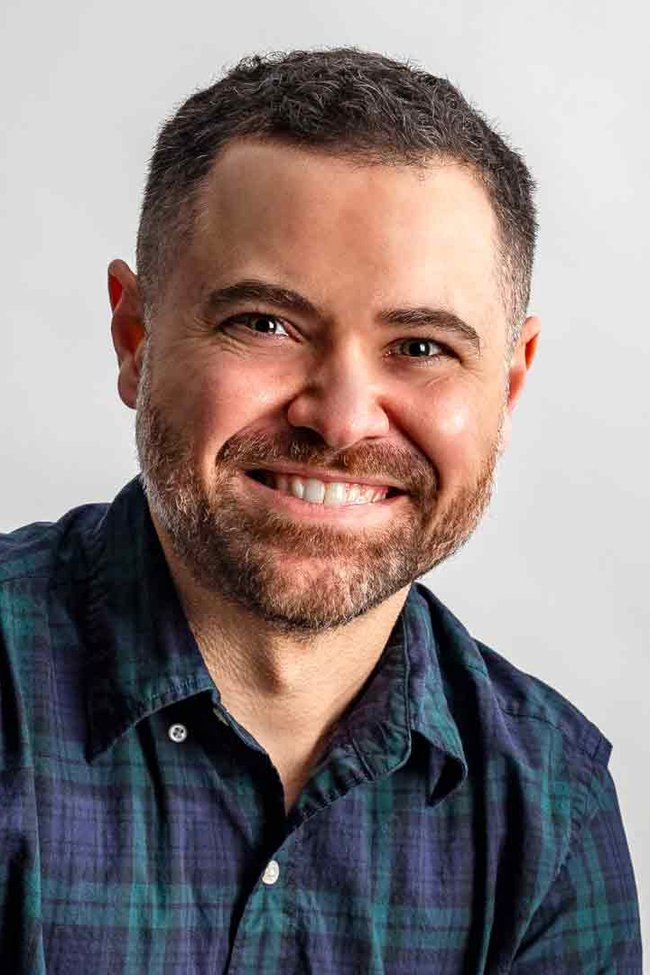
Assistant Research Professor Dr. Andres Pena is driven by curiosity. From a young age, he made gadgets for himself and his friends. In the process, Andres developed passion for creation, leading to studies in electrical and biomedical engineering. This path found him at the Institute for Integrative and Innovative Research (I3R) and the Adaptive Neural Systems (ANS) Group. “My hands itch when I’m curious about something. The only way to scratch that itch is learning about it.”
Andres brings a life-long passion for novel ideas to his work by answering big questions and solving wicked problems with ANS. His team is advancing development of an implant to enable sensory functionality in prosthetics. “We connect the prosthetic to peripheral nerve endings in the amputated arm, enabling the user to process meaningful sensations.”
The environment at I3R fits Andres, who envisions academic research as a pathway to developing deployable and impactful solutions. One of his main responsibilities is developing a business framework to facilitate commercialization of novel neurotechnology. “My studies are important to those affected by amputations, so everything we do needs to go out to people. I make sure we work towards marketability.”
Andres sees the impact of his work at I3R beyond ANS. With an educator mindset, he values his ability to mentor undergrads and the opportunity to learn from them. “I think the biggest impact are the long-term relationships that we build with students, faculty, and staff that we work with every day.”
He spends his time away from I3R working on projects with his wife who is an aspiring neonatologist and current engineer. “We don’t treat it like work. We just have fun talking about cool ideas and cool projects.”
Andres earned a PhD in Biomedical Engineering from Florida International University. He has been the recipient of The University of Arkansas Women’s Giving Circle Grant, and he received third place for team project in 2020. His current research is funded by the Women’s Giving Circle.
- B.S. in Electrical and Biomedical Engineering from Florida International University
- Ph.D. in Biomedical Engineering from Florida International University
- Neural Stimulation
- Virtual Reality
- Neuro-haptics
- Project Grant: Making "Sense" of Sensorimotor Rehabilition in VR
- 2020, Cade Prize: Third Place Winner (Project Team) - Cade Museum, Gainesville, FL
- 2019, Dissertation Year Graduate Fellowship, Florida International University, Miami, FL
- 2019, Award for Excellence (poster presentation), Military Health System Research Symposium
- 2014, Award for Outstanding Member, Alpha Eta Mu Beta BME Honor Society
- 2013, Bridge to the Doctorate Fellowship, National Science Foundation
- 2021-2022, Guest Editor, Special Issue "Neural Electrode in Biolectronic Medicine", Micromachines
- 2019, Member, Tau Beta Pi, Engineering Honor Society
- 2018, Member, Engineering in Medicine and Biology Society (2018-19 FIU chapter Vice-president)
- 2014, Member, Alpha Eta Mu Beta, BME Honor Society (2014-15 FIU chapter President)
- 2013, Member, Biomedical Engineering Society (2013-14 FIU chapter Vice-president)
- 2009, Member, Institute of Electrical and Electronics Engineers
- 2009-2011, Member, Society of Hispanic Professional Engineers
- Systems and methods for providing haptic feedback when interacting with virtual objects (2021), U.S. Patent No. 11,199,903 B1.
- Systems and methods for providing haptic feedback when interacting with virtual objects (2022), assigned to The Florida International University Board Of Trustees.
- Systems and methods for delivering focalized neurostimulation (2022), assigned to The Florida International University Board Of Trustees and Arizona Board Of Regents On Behalf Of Arizona State University.
- Encoding multimodal intensity and temporally dependent stimulation for haptic feedback
(patent application, 2024), U.S. Application No. 19/073,260.
- Modular apparatus for accelerated mechanical testing of implantable leads (patent
application, 2024), U.S. Application No. 18/821,056.
- Reviewer for Journal of Neural Engineering, Annals of Biomedical Engineering, PLoS ONE, Experimental Brain Research, Military Medicine, Critical Reviews in Biomedical Engineering, Biomedical Physics & Engineering Express, IEEE EMBC and IEEE ISMAR
- Concept to Clinic: Commercializing Innovation (C3i) Program, NIBIB and Coulter Foundation, 2020–2022
- Clinical Trial Technologies for Sites, WIRB-Copernicus Group, 2022
- Benigni TR, Pena AE, Shell A, Asbee JM, Kuntaegowdanahalli SS, Abbas JJ, Jung R. Single-site non-invasive peripheral nerve stimulation with multidimensional encoding enables object differentiation using a myoelectric prosthetic hand. J Neural Eng. 2026;23(3):036036.
- Benigni TR, Pena AE, Kuntaegowdanahalli SS, Abbas JJ, Jung R. Simultaneous modulation of pulse charge and burst period elicits two differentiable referred sensations. J Neural Eng. 2024;21(5):056026.
- Shell AK, Pena AE, Abbas JJ, Jung R. Novel Neurostimulation-Based Haptic Feedback Platform for Grasp Interactions with Virtual Objects. Front Virtual Real. 2022;3:910379.
- Pena AE, Abbas JJ, Jung R. Channel-hopping during surface electrical neurostimulation elicits selective, comfortable, distally referred sensations. J Neural Eng. 2021;18(5):055004.
- Pena AE, Rincon-Gonzalez L, Abbas JJ, Jung R. Effects of vibrotactile feedback and grasp interface compliance on perception and control of a sensorized myoelectric hand. PLoS One. 2019;14(1):e0210956.
- Pena AE, Kuntaegowdanahalli SS, Abbas JJ, Patrick J, Horch KW, Jung R. Mechanical fatigue resistance of an implantable branched lead system for a distributed set of longitudinal intrafascicular electrodes. J Neural Eng. 2017;14(6):066014.
Associate Director of Digital and Creative Services Laura Fickett believes in the power of an authentic story. “It is important to bridge the gap between researchers and the public. Making complex ideas accessible and transformative allows for tangible studies that can change the world. Working with researchers allows me to do this in a personable way,” she says.
After a successful career as a graphic designer, photographer, multi-media creative, and commercial branding business owner, Laura brought her extensive experience to the University of Arkansas. With a passion for science, neurology, and engineering, her skills complement those of the researchers with whom she collaborates. “Researchers know they need help translating their stories to an audience.” Managing the touchpoints the world uses to learn about the Institute for Integrative and Innovative Research (I³R), she is responsible for the user experience of visitors. She translates research into understandable and interactive web content that gets people excited about the incredible work at I3R. “I hope when people learn of I3R they’re able to get a clear and real-time vision of who we are and what we do.”
Laura appreciates the value of a “brain break” to clear the mind and disconnect and takes full advantage of Northwest Arkansas’ outdoor spaces to hike, camp, and spend time with her dogs. “I like anything that can really take your brain away from the day, and I definitely think it’s very important working as hard as we do.”
Laura earned her Associate in Applied Sciences of Graphic Design from Northwest Arkansas Community College, as well as a user experience certification from the Nielson-Norman Group.
- A.A.S in Graphic Design from Northwest Arkansas Community College
"Creating a color palette for print and web that is accessible and people will actually use"
- UX Certification- Wireframing, Navigation Design, Analytics and User Experience, Visual Design for Mobile and Tablet, The Human Mind and Usability from The Nielson Norman Group
- Project Management Reinvented for Non-Project Managers from LinkedIn
- Project Mangement Starts with Laying Good Ground Rules from LinkedIn

Director of Strategic Communications and Engagement Delia Garcia brings considerable experience in communications, public affairs, government relations, and philanthropic initiatives with global business and local non-profits to the Institute for Integrative and Innovative Research (I3R). “There is a bigger mission at I3R to make a societal impact. I help bring that along with my skills and experience to help the Institute and individuals achieve goals.”
Delia leads with a focus to support the team by creating awareness of the innovative research through multiple channels. Telling stories of the passion, purpose, and potential of the work done by the brilliant researchers, she advocates for necessary resources to support them in making an impact. While the research is a primary focus, Delia advocates for the support staff who enable groundbreaking discoveries to occur. I3R values the skills, talents, and creativity of the support team integrating research work and people in a dynamic mission-driven collaborative aligned to solve wicked problems. “Ultimately the objective of our communications work is to elevate the profile of the University of Arkansas by promoting the integrated, innovative research and the people at I3R.”
Delia credits the culture at I3R with encouraging her to “regain balance” after 20 years in a large corporate environment. She enjoys supporting her daughter, a competitive golfer, and loves playing golf with her. She’s active in her church and finds time to run. “The culture at I3R is one that cares about the skills and spirit you bring to the job and encourages whole person engagement.”
Delia earned a Master’s Degree in Public Policy. Her impactful work has awarded her the Rosa Carrillo Torres Humanitarian Award, the Anam Cara Award, and a Lifetime Achievement from United Cerebral Palsy of Central Arizona.
- B.A. in Political Science, Spanish, French from Saint Mary's College
- Master of Public Policy (M.P.P) from Harvard Kennedy School
- Harry S Truman Scholarship
- Woodrow Wilson Fellowship
- Irish Cultural Center Anam Cara Award
- Rosa Carrillo Torres Humanitarian Award
- United Cerebral Palsy of Central AZ Lifetime Achievement Award

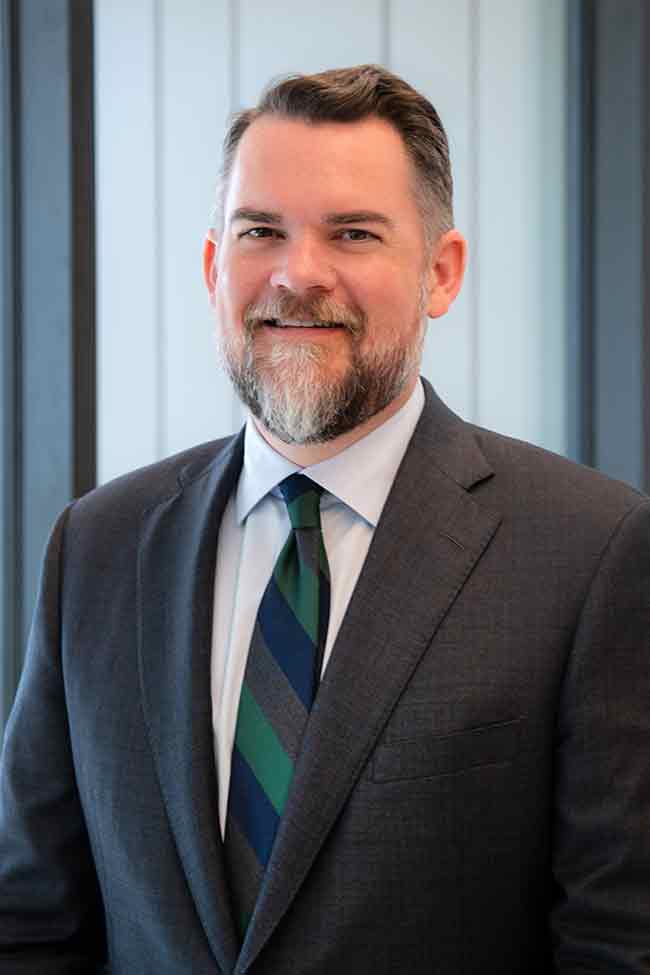
- B.M. in Music Performance from Oberlin College
- B.A. in Physics from Oberlin College
- Ph.D. in Physics, from Harvard University
- Arkansas Research Alliance Fellow
- Presidential Early Career Award for Scientists and Engineers
- NSF CAREER Award
- ORAU Powe Junior Faculty Award
- AFOSR Young Investigator
- Connor Faculty Fellowship, University of Arkansas
- Pappalardo Postdoctoral Fellowship, MIT
- White Prize for Excellence in Teaching, Harvard
- IBM Ph.D. Fellow
- American Physical Society Apker Award for Undergraduate Research
- NSF Graduate Research Fellow
- Phi Beta Kappa, Sigma Xi, Pi Kappa Lambda
- Condensed matter physics
- Quantum materials and devices
- F. Barati, J. P. Thompson, M. C. Dartiailh, K. Sardashti, W. Mayer, J. Yuan, K. Wickramasinghe, K. Watanabe, T. Taniguchi, H. Churchill, J. Shabani, “Tuning Supercurrent in Josephson Field-Effect Transistors Using h-BN Dielectric,” Nano Letters 21, 1915 (2021).
- S. Davari, J. Stacy, A. M. Mercado, J. D. Tull, R. Basnet, K. Pandey, K. Watanabe, T. Taniguchi, J. Hu, and H. O. H. Churchill, “Gate-Defined Accumulation-Mode Quantum Dots in Monolayer and Bilayer WSe2,” Phys. Rev. Appl. 13, 054058 (2020).
- M. H. Doha, J. I. Santos Batista, A. F. Rawwagah, J. P. Thompson, A. Fereidouni, K. Watanabe, T. Taniguchi, M. El-Shenawee, H. O. H. Churchill, “Integration of multi-layer black phosphorus into photoconductive antennas for THz emission,” J. Appl. Phys. 128, 063104 (2020).
- Complete publication list (Google Scholar)
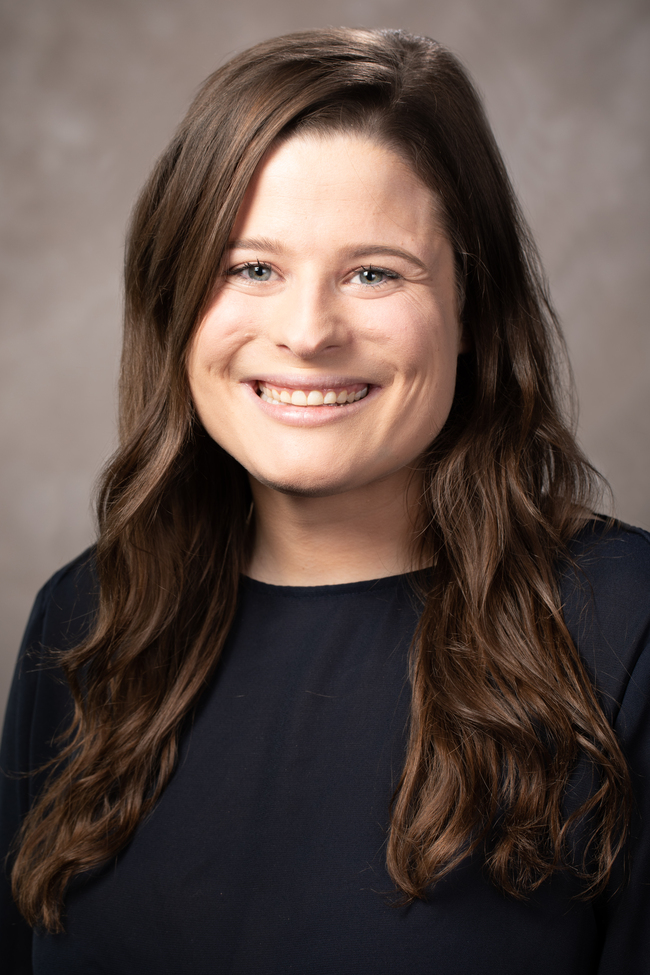
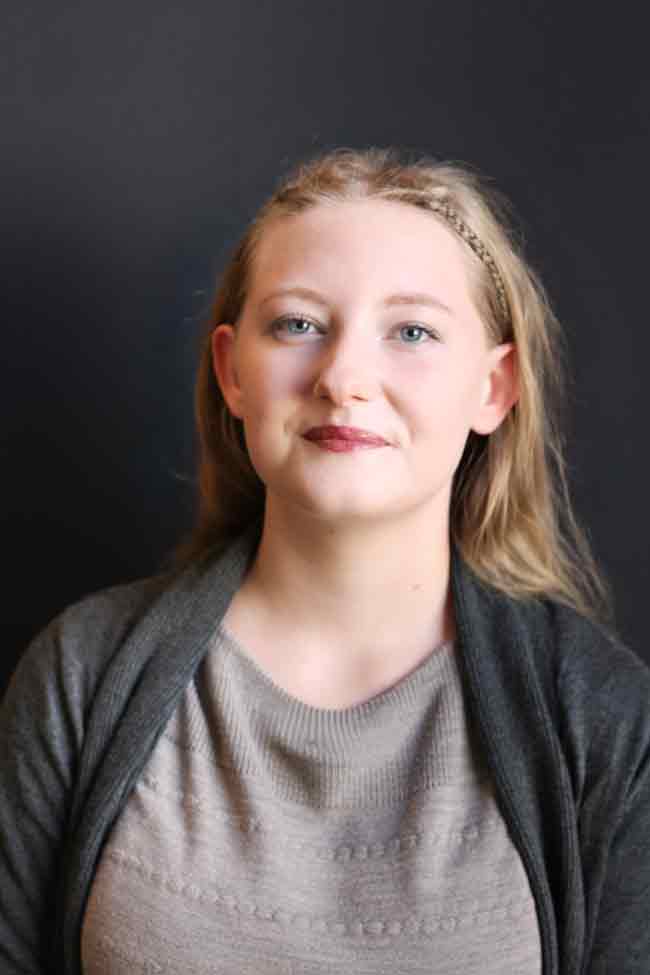
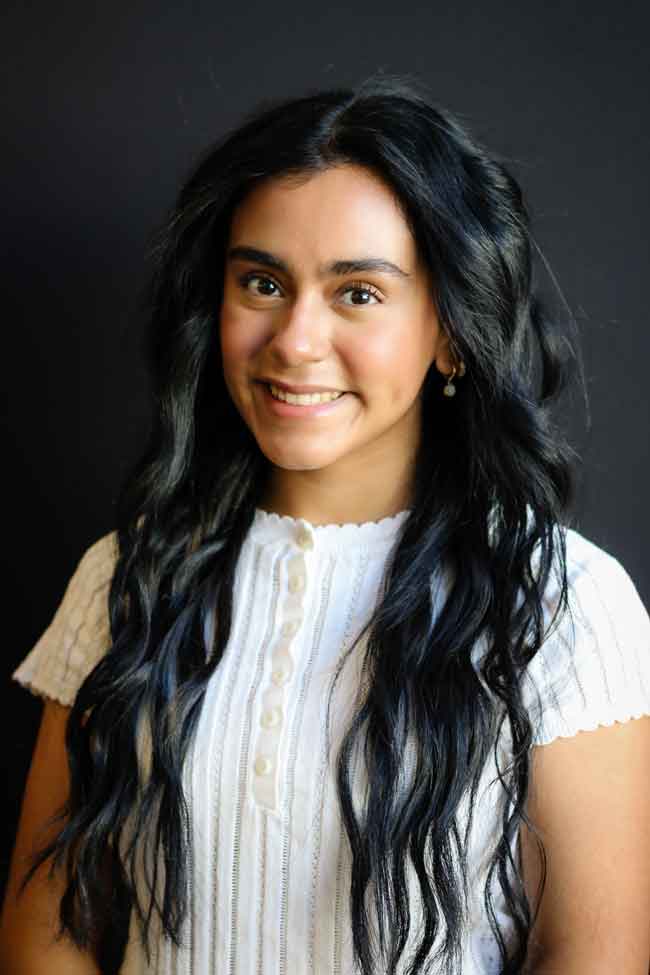
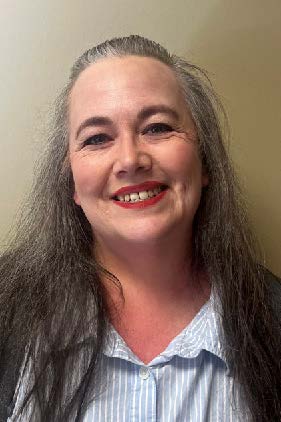
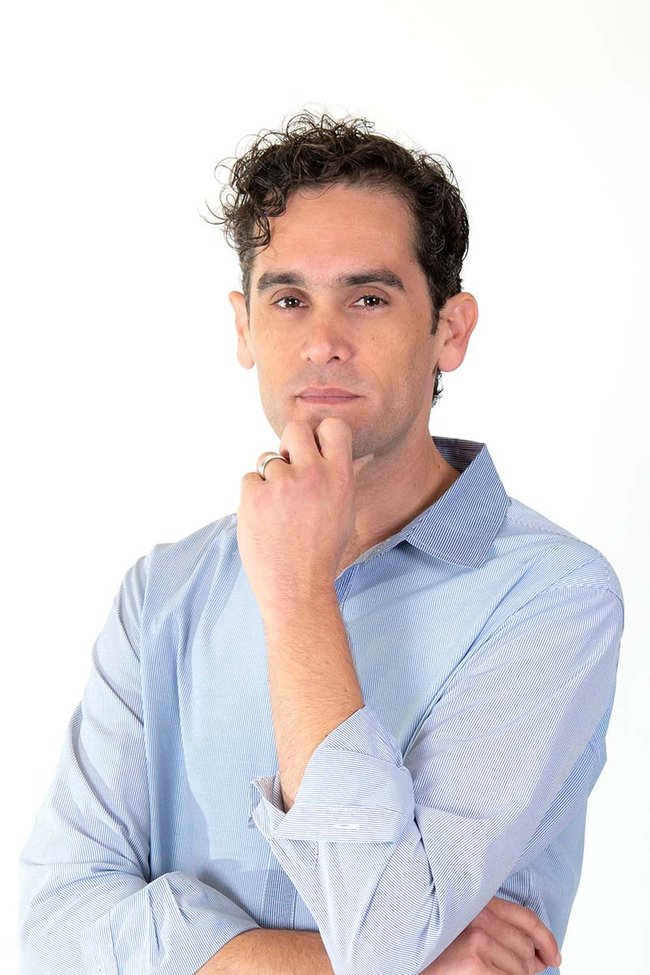
Project Manager Philip Sambol launched his first business at age eight, starting a life-long journey of entrepreneurship that’s traveled through various industries. His varied experiences in restaurants, retail, entertainment, and nonprofits taught him valuable lessons that he brings to his role at the Institute for Integrative and Innovative Research (I3R). “I’ve been told in all these ventures that ‘you can’t do it all’,” he says. “At I3R, we’re not afraid to take on big challenges in a purposeful way that embraces complexity.”
Philip works closely with the team of scientists and researchers focused on establishing sustainable regional agricultural production. This research studies the impact of applying technological tools and data analysis used by large food companies to small and medium-sized produce and protein producers. This technology aims to build sustainable regional food ecosystems and generaterural economic development. Philip believes the impact reaches beyond the family farm. “Sustainable food systems mitigate the effects of climate change, improve air and water quality, improve biodiversity and benefit public health while also making fresh, healthy, seasonal food accessible.”
His work at I3R provides the opportunity to take a systems level view of wicked problems and begin the process of solving complex challenges facing human society in the years ahead. Philip builds relationships within the University, private and nonprofit sectors. “No one person can do it all, but a coalition can do anything.”
When not working to solve wicked problems, the “recovering professional musician,” picks up his guitar. He also loves to try new foods and restaurants, especially creative culinary concepts and cuisines. “Northwest Arkansas has this creative energy that I’ve felt in only a few places.”
Philip earned his Bachelor of Arts inHotel, Restaurant and Tourism Management from the University of Denver in Colorado, and is completing an Interdiscplinary Studies degree at the University of Arkansas - Fayetteville.
- B.A. in Restaurant and Tourism Management from University of Denver
- Regional Food Systems
- Nutrition Security
- Food Tec
- Social Enterprise
- Co-Chair at DC Food Policy Council
- Creating Health Collaborative
- Ward 5 Advisory Council, Seabury Resources on Aging
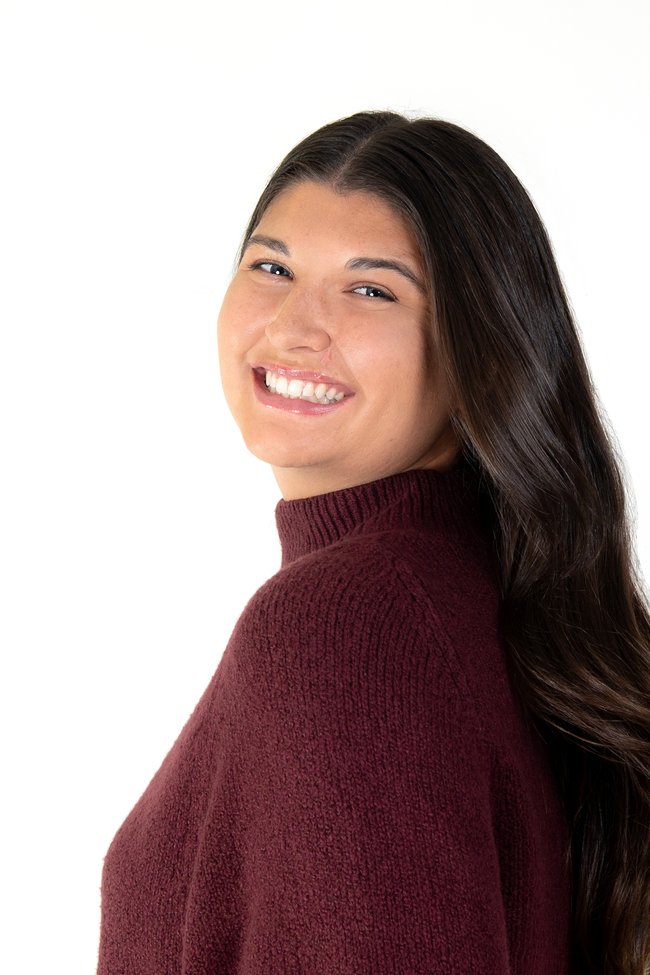
Administrative Assistant Caroline Wahlgreen wants to create growth opportunities and change in the people she works with by supporting their work and building relationships both internally and externally within I³R. This, paired with her practical knowledge of operational protocols and her desire to create notable community impact cements her as one of the many pivotal support staffers at the Institute. “It’s important to me to be a part of something bigger than myself – something that will leave the world a better place,” she saysIn her role at the Institute for Integrative and Innovative Research (I3R) Caroline works to improve processes and streamline operational pipelines. She appreciates that her input is valued in projects of every size, and the opportunity to contribute as I3R grows. Being able to provide support on the operations side is something that she enjoys, as it allows her to take part in life-changing research at the Institute. “I3R is going to be a big force of change in my home state, and that motivates me to continue the work that I do.”
In addition to providing administrative support, Caroline found an outlet for her passion for community education through building and coordinating the Institute’s new Undergraduate Research Program and K-12 Outreach plans. “One of the Institute’s earliest priorities was giving back to the community and getting the next generation involved in their mission; I’m extremely humbled that I get to take part in that every day.”
When she’s not enjoying the beautiful weather of Northwest Arkansas on the Downtown Fayetteville Square or at the Botanical Gardens, you can find her in her garden, tending her houseplants, cooking, or reading – her dog by her side.
Caroline earned her Bachelor of Science in Organismal Biology in 2021, landing on the Dean’s list with distinction during the 2020-2021 academic year.
- B.S. in Biology from University of Arizona
- Dean's List with Distinction, 2020-2021