Analysis of the Efficacy of “Bridges Out of Poverty: Getting Ahead in a Just-Gettin’-By World” for Cherokee Nation
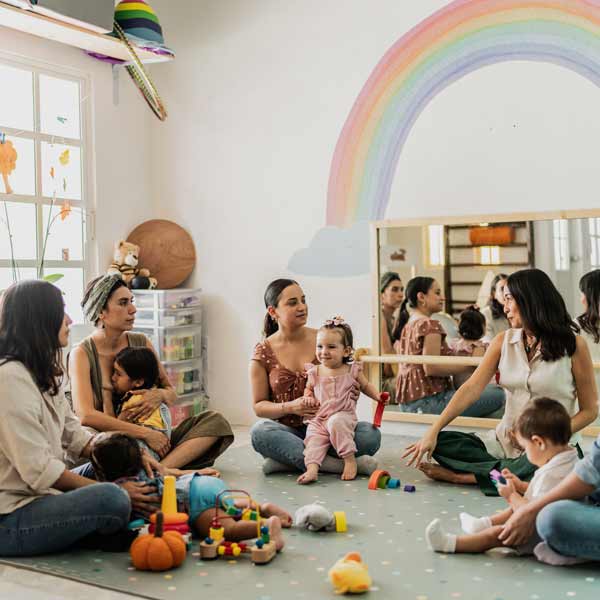
Analysis of the Efficacy of “Bridges Out of Poverty: Getting Ahead in a Just-Gettin’-By World” for Cherokee Nation
Research Team: Meredith Adkins, Ph.D., Mohsen Bazargan, Ph.D., Rinjisha Roy (Graduate Research Assistant)
This project assesses the efficacy of Cherokee Nation Commerce Service’s program for “Bridges Out of Poverty—Getting Ahead in a Just-Getting’ – By World” (hereafter, “Bridges” and “Getting Ahead”) when implemented in combination with a cash transfer initiative, First Steps to Hope (“First Steps”), for low-income pregnant Cherokee women, their spouses/partners, and other citizens referred by Cherokee Nation Human Services. Bridges is an educational curriculum and community development strategy that seeks to enable community members to understand poverty. It is the main ideology for Getting Ahead, the related programmatic intervention, which helps participants achieve upward socioeconomic mobility. Through a series of group sessions, all Getting Ahead participants are guided to develop their non-cognitive skills, cultivate practices to improve their economic situation, and ultimately envision a better future for themselves and their families.
The primary research objective in this study is to analyze the impact of a socioeconomic skills building curriculum upon the psychosocial well-being and economic well-being of Cherokee citizens. The secondary research objective involves evaluating the efficacy of the curriculum, when implemented in tandem with a guaranteed income program, for low-income pregnant women in Cherokee Nation. By examining the effects of a curricular intervention upon well-being outcomes for citizens in Cherokee Nation, this research seeks to inform policy design and implementation practices for community assistance programs implemented in Tribal communities. Findings from this study have broader implications for guaranteed income programs and expanding existing knowledge regarding their associated interventions, particularly as it relates to their ability to influence health determinants and quality of life for community members who are participants in these initiatives.
By exploring integrated programmatic support and cash transfer strategies, the study reflects I³R’s mission to foster impactful, community-focused research that enhances health, equity, and prosperity, particularly for rural and low-income communities.